https://www.nf-fan.com/
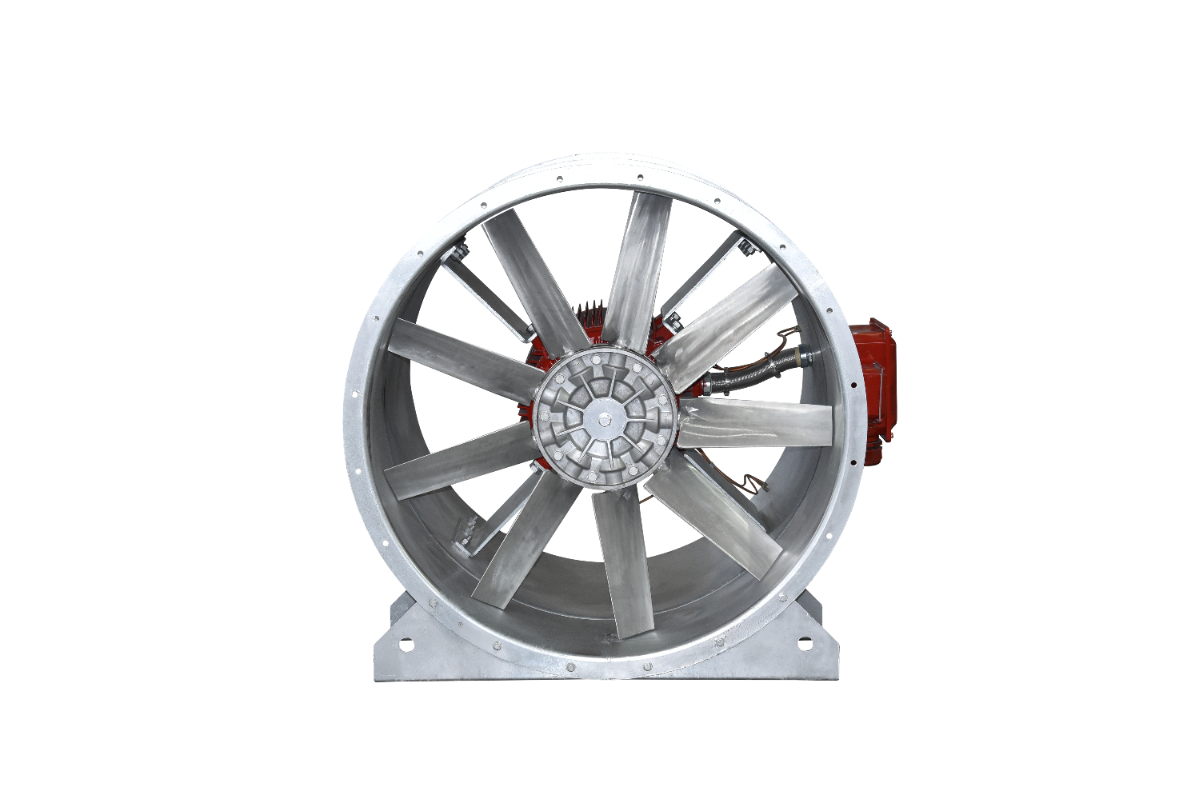
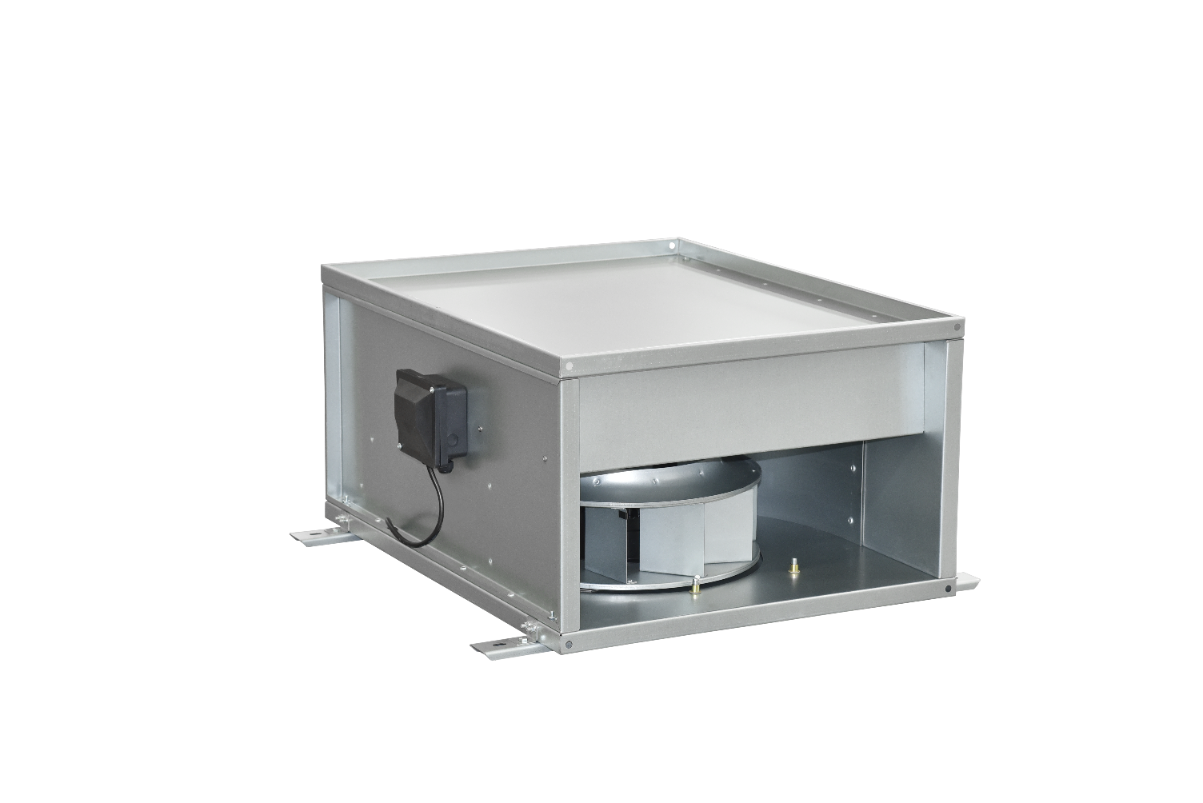
For deep-level stations, multi-pipe systems, damp and low-noise environments, we offer fan equipment with intelligent regulation, integrated noise reduction and moisture-proof design.
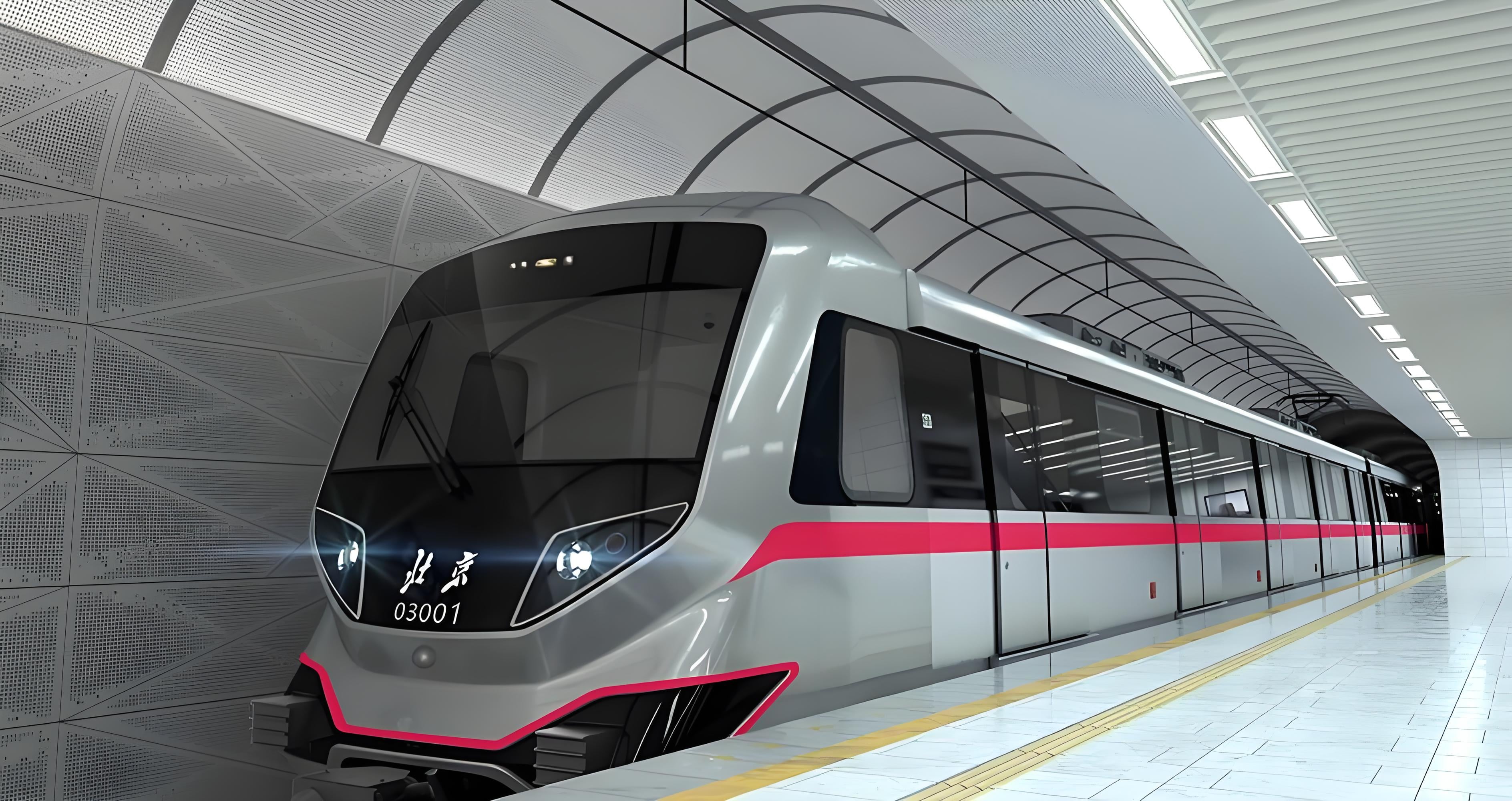
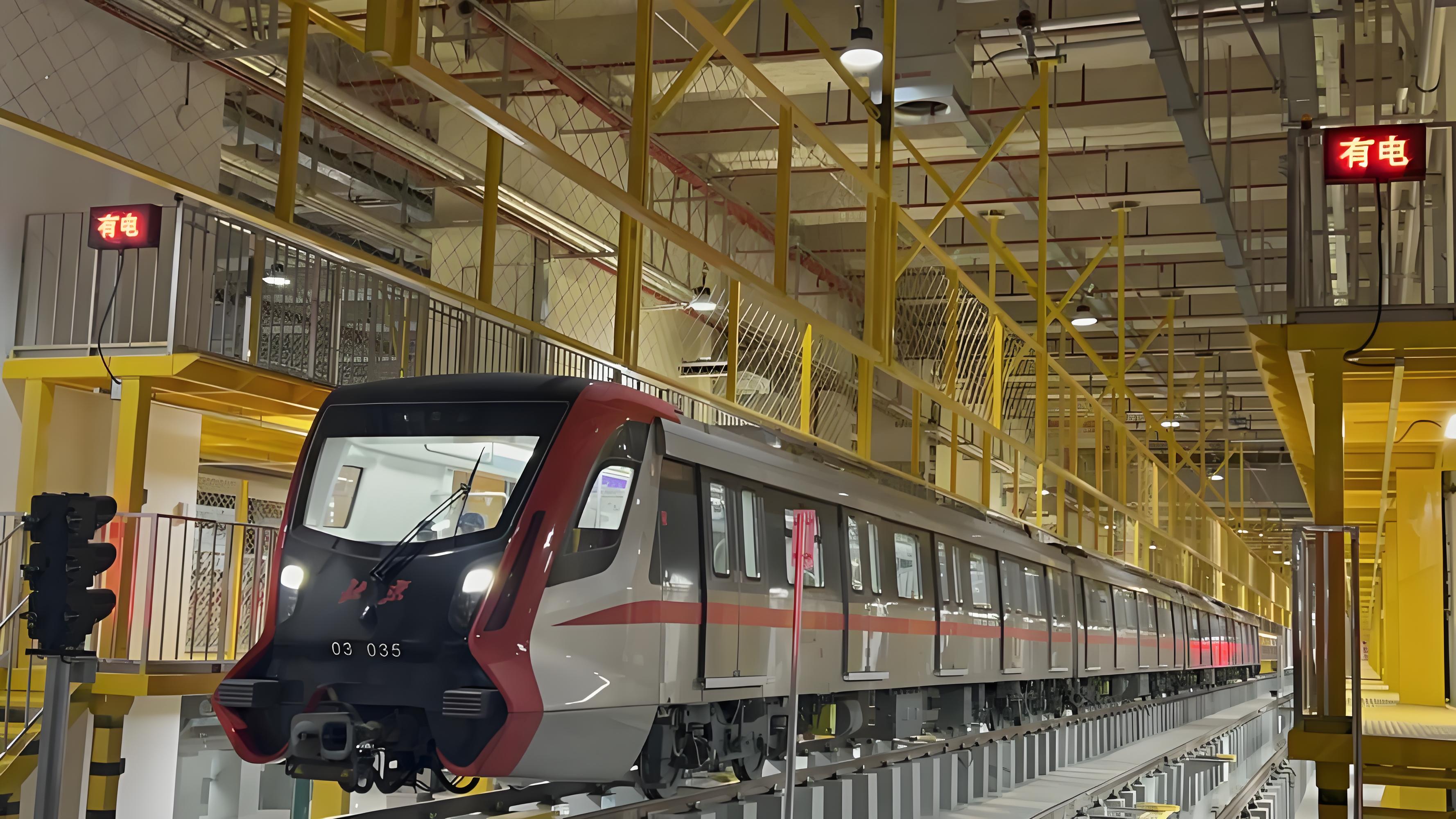
The first phase of Beijing Line 3 is 15.7 kilometers long and entirely underground. Ten stations and the intervals between them are completely enclosed. The ventilation and air conditioning system is responsible for three core functions: passenger comfort, equipment cooling, and smoke exhaust in case of fire. The warm air fans, as the power source of the system, need to operate stably around the clock, with extremely high requirements for reliability.
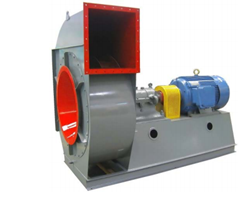
The Workers' Stadium Station has a burial depth of up to 39 meters, being one of the deepest underground stations in Beijing. The ventilation path is long and the resistance is high, requiring the fan to have a higher static pressure output capacity. In terms of selection, high-pressure head and high-power centrifugal fans need to be adopted.
There are 6 transfer stations on the line, such as Dongsi Shitiao Station which needs to be connected with the existing Line 2, and Gongren Stadium Station which is under construction simultaneously with Line 17. The ventilation and air conditioning system needs to achieve the convergence of multiple system air ducts, pressure balance and fire linkage in a limited space, making the coordination of design and installation very difficult.
Line 3 is equipped with a self-cleaning air purification system, where the fan is deeply integrated with the electrostatic dust removal module and the intelligent control system to achieve automatic cleaning, remote monitoring, and fault warning. This requires a high degree of matching between the fan and the purification equipment in terms of air flow organization and control logic.
Under the operation conditions of the existing Line 2, a new platform for Line 3 needs to be built below it and the reserved platform needs to be renovated. The layout of the ventilation machine room is restricted by the structure, and the path for hoisting large equipment is narrow. Some fans need to be transported in parts and assembled on site, increasing the construction risk.
The Workers' Stadium Station is buried 39 meters deep and is constructed using the cut-and-cover method. The machine room environment is humid and the transportation channels are tortuous. The fan foundation needs to be accurately poured under complex geological conditions, and the installation of vibration isolators is easily affected by moisture. If special anti-corrosion spring vibration isolators are not used, it may lead to settlement or resonance in the future.
The line passes through urban core areas such as Sanlitun and Chaoyang Park, and the stations are close to commercial and residential areas. The noise from the operation of the fans must be kept below 45 decibels. It is mandatory to use low-noise fans, sound-absorbing ducts, flexible connections, and soundproof machine rooms. Otherwise, complaints are likely to arise.
In the station hall and equipment layer, heating and ventilation ducts often cross with fire protection water pipes, cable trays, and structural beams. If not pre-arranged through BIM, the inlet and outlet ducts of fans are prone to conflicts with other pipelines, leading to rework or a reduction in the ceiling height, which affects the maintenance space.
The smoke exhaust fan needs to be automatically activated during a fire and be linked with the FAS system. Due to the fact that Line 3 connects with multiple lines, the boundaries of fire compartments are complex, and the control logic of the fan needs to be precisely defined. During the debugging stage, false alarms or delayed starts are prone to occur.
 EN
EN


 ONLINE