https://www.nf-fan.com/
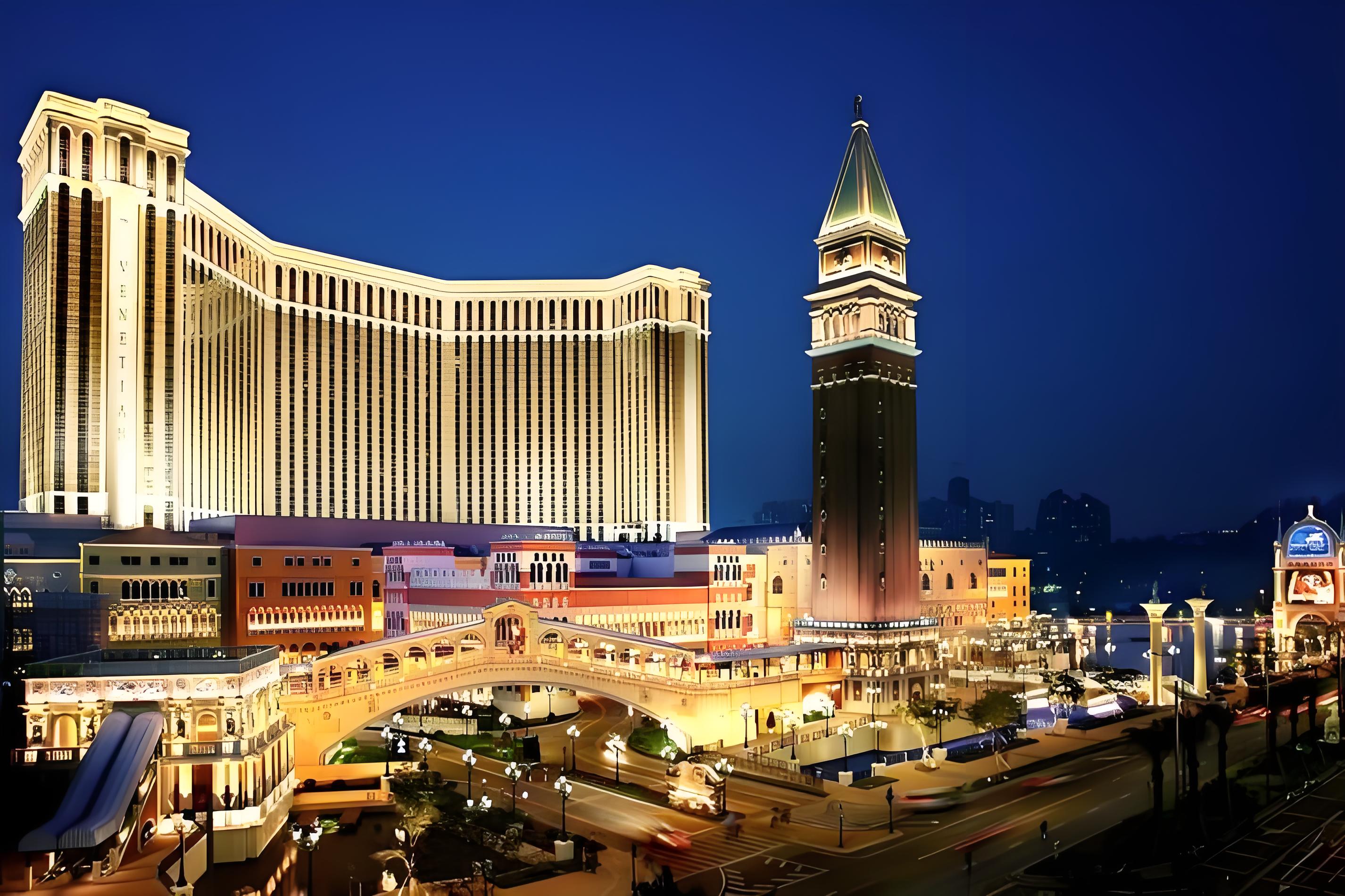
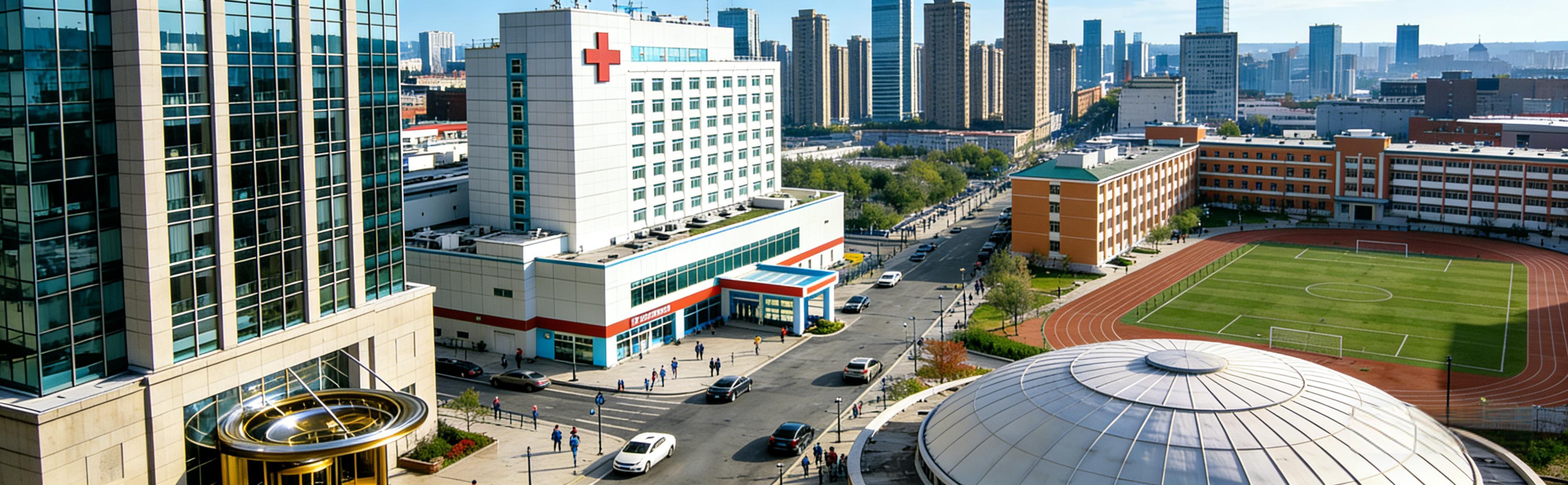
Civil ventilation systems are used in a wide range of scenarios, including large venues, airports, hotels, shopping malls, hospitals, schools, etc. Systematic ventilation design takes into account the functional characteristics, occupant density, pollutant types, and spatial layout of different places to achieve integrated performance optimization including high comfort, low energy consumption, labor savings, and operational stability.
1. Improved mechanical efficiency and extended service life
2. Reduced material consumption, automated components, and labor savings
3. High safety and reliability, low noise, and vibration reduction
Technical Highlights
Leveraging industry-leading system integration R&D capabilities, the company’s series of housed fans with forward-curved/backward-curved impellers offer high operating efficiency and low maintenance costs, and have been used in many renowned buildings worldwide. By retrofitting traditional centrifugal fans, the company has developed a range of high-efficiency, low-noise fan products, which can reduce fan energy consumption by 5–8% and fan noise by 3–5 dBA.
The company can also provide customized integrated solutions for specific industries, meeting the requirements of ventilation equipment in terms of safety, stability, energy efficiency, and high performance.
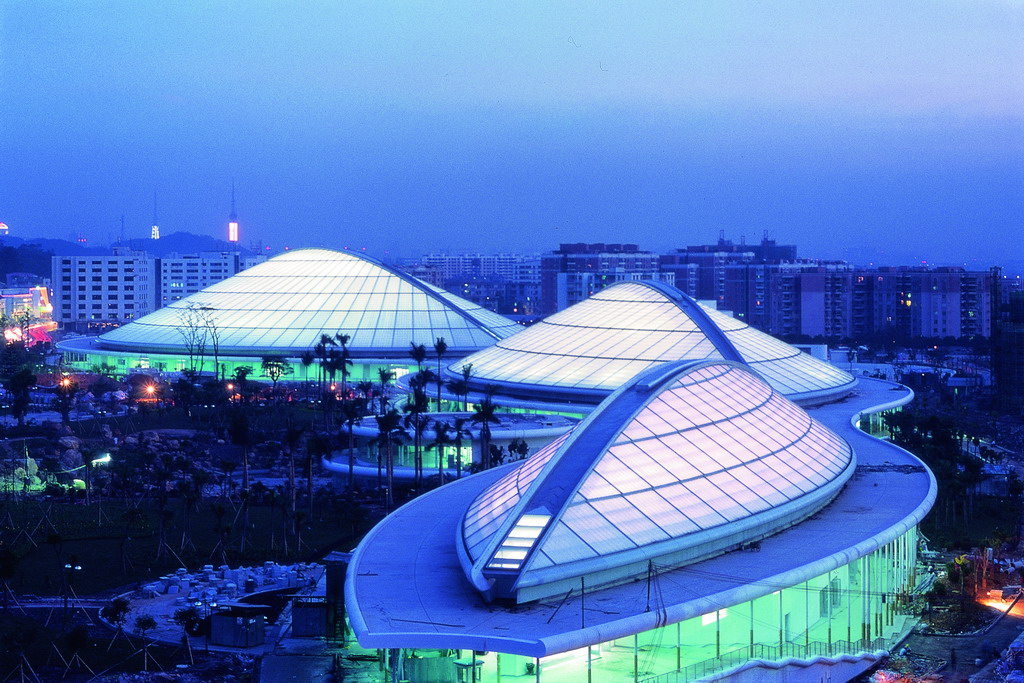
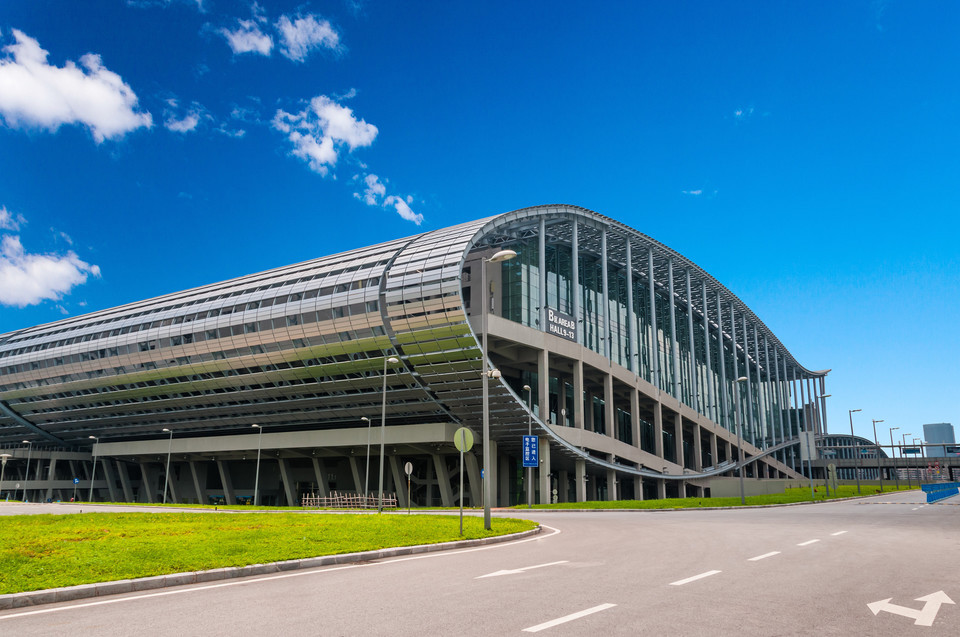
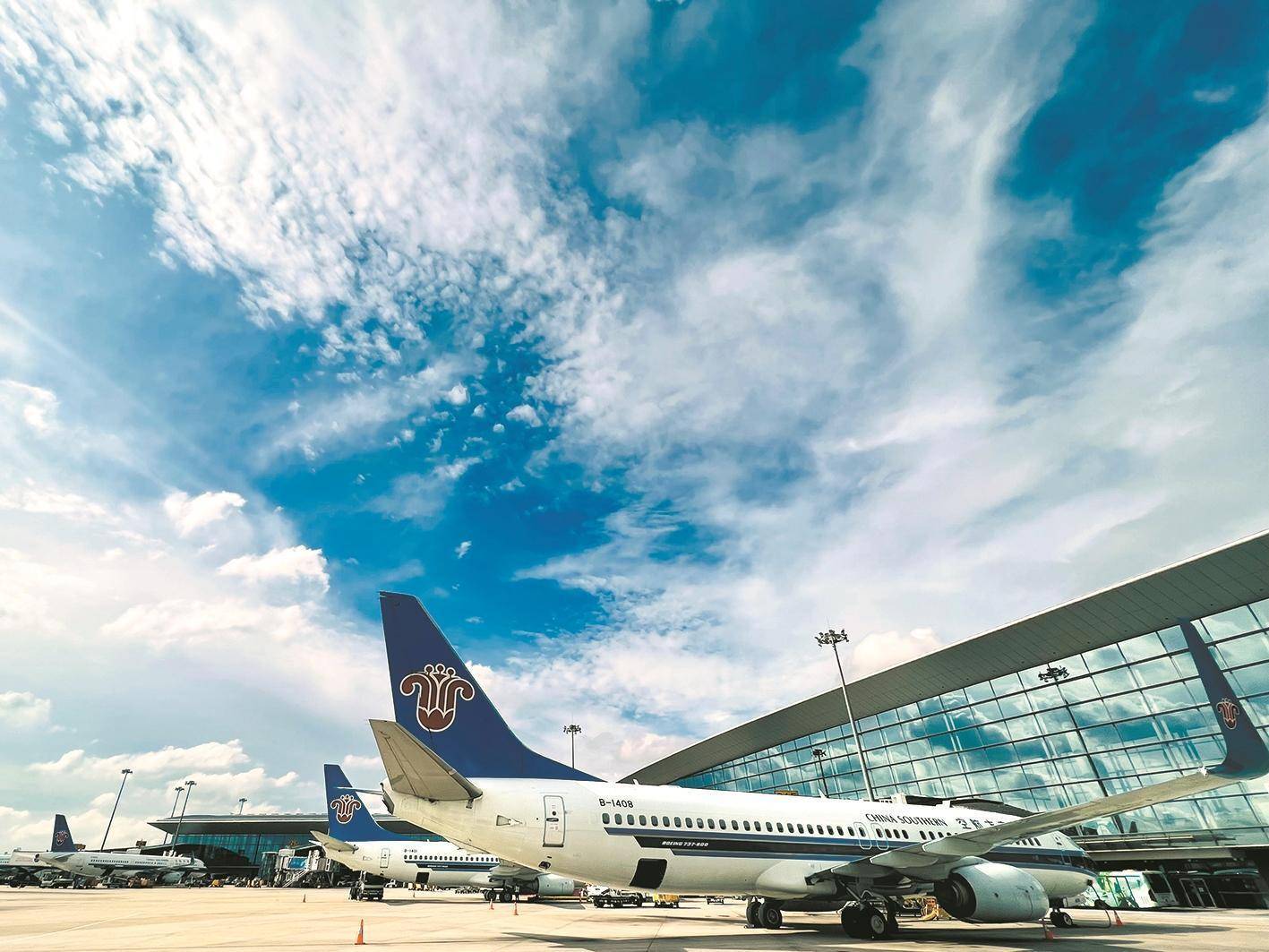
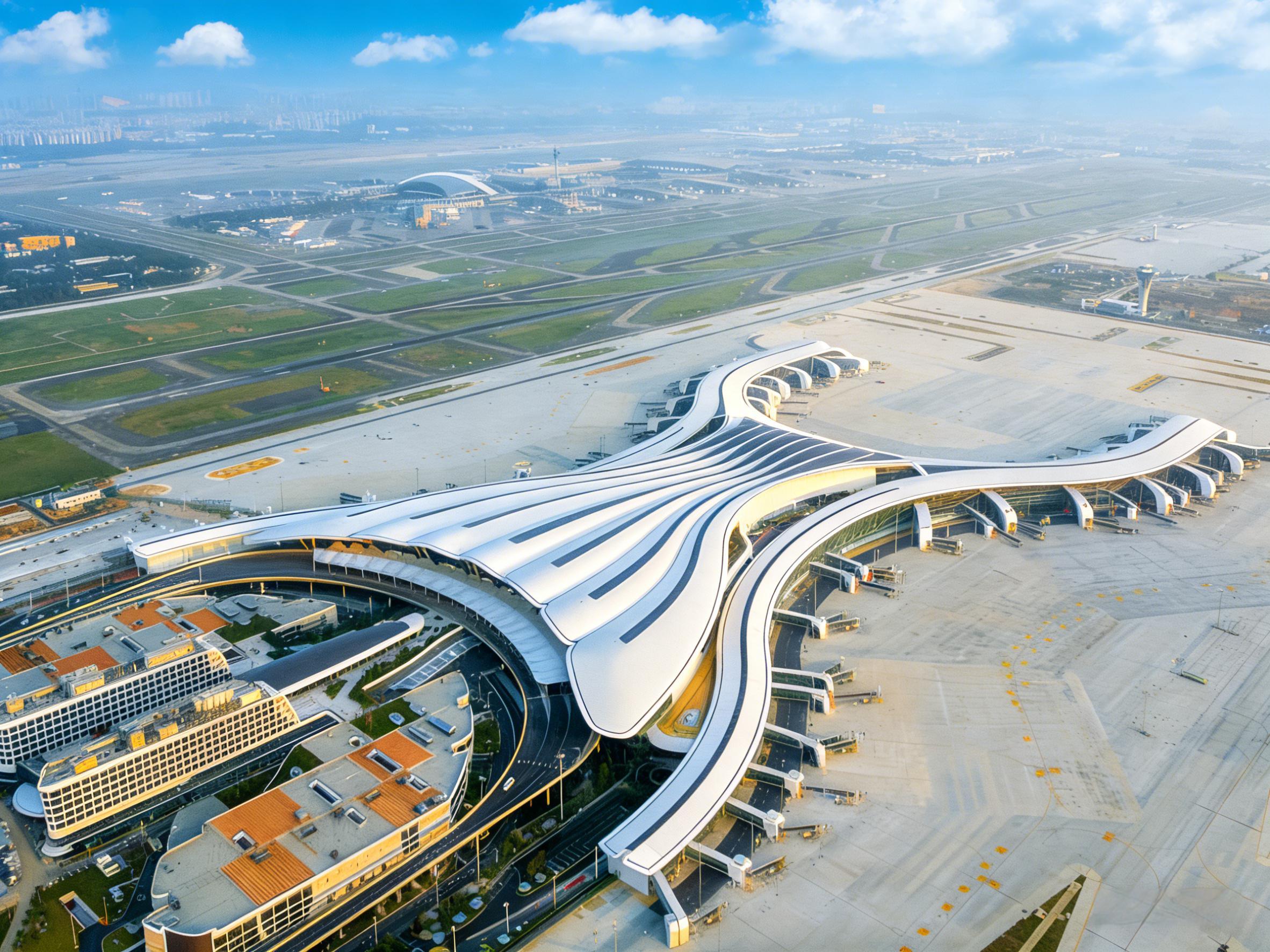
Professional custom-made high-efficiency and low-noise units resolve pipeline conflicts in irregular spaces, achieving precise temperature control and energy conservation with noise reduction in large spaces. Characteristics of Guangzhou Baiyun Air...

 EN
EN

 ONLINE