https://www.nf-fan.com/
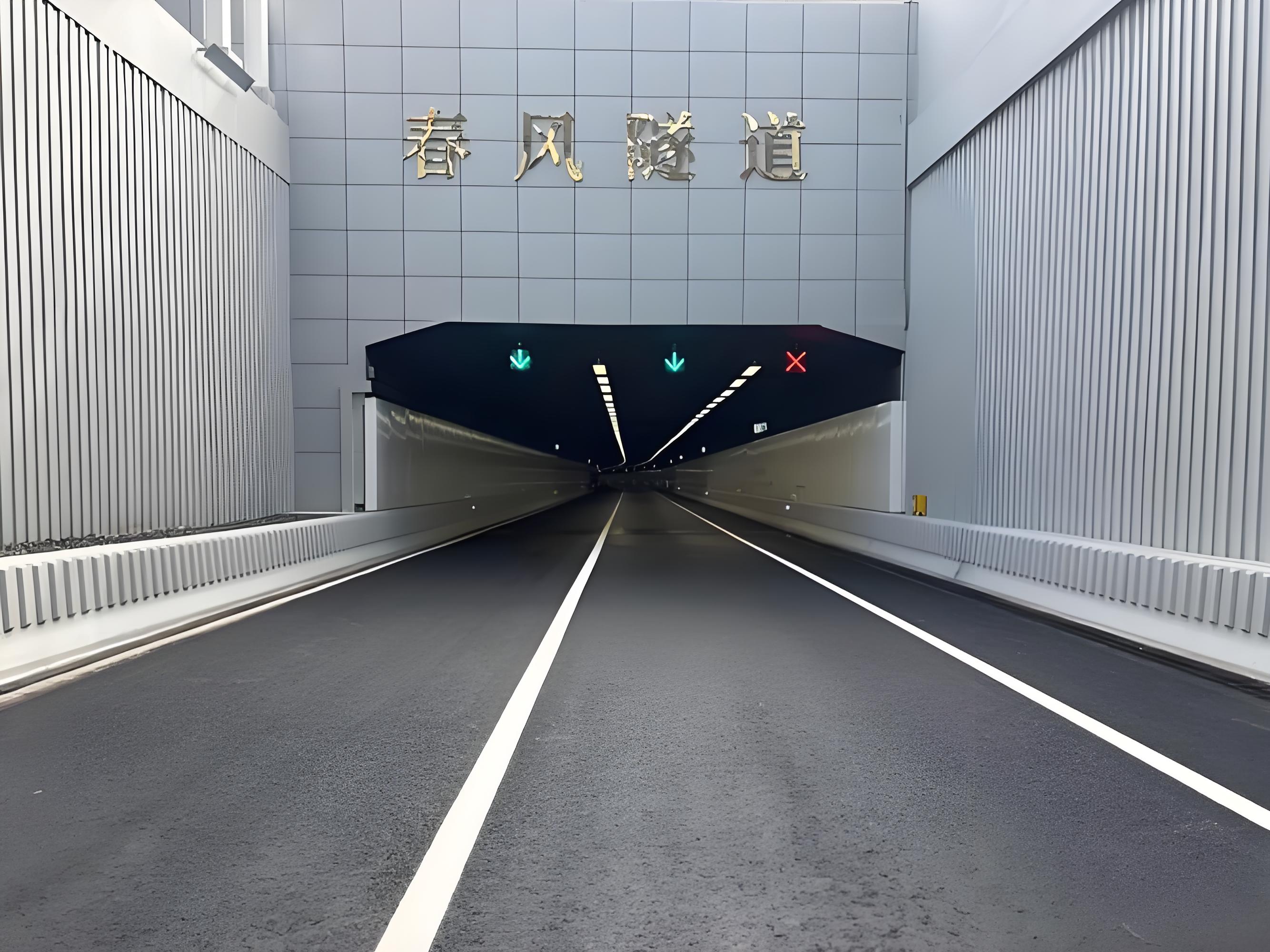
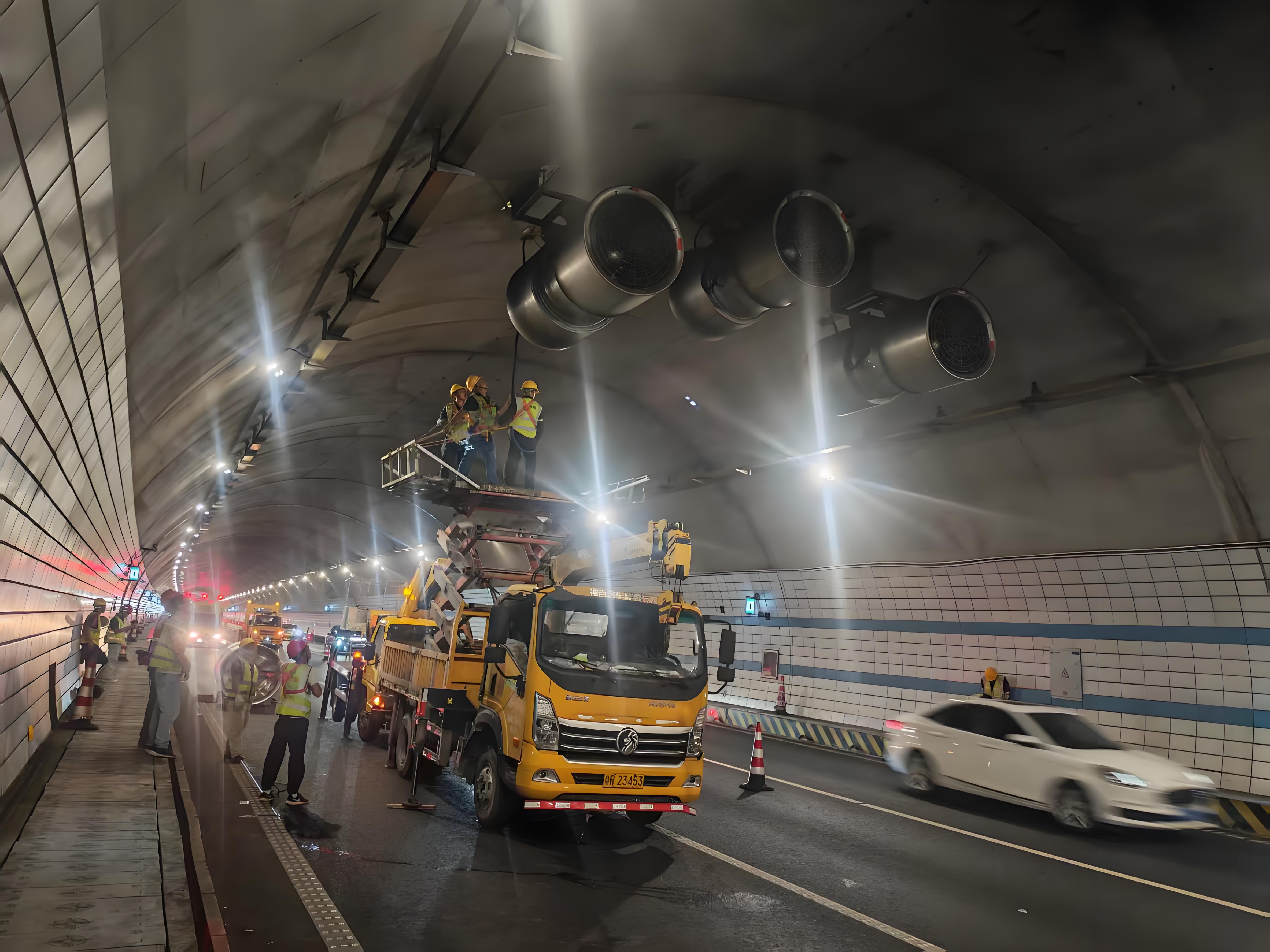
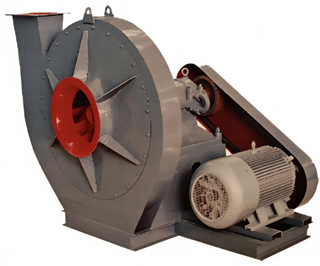
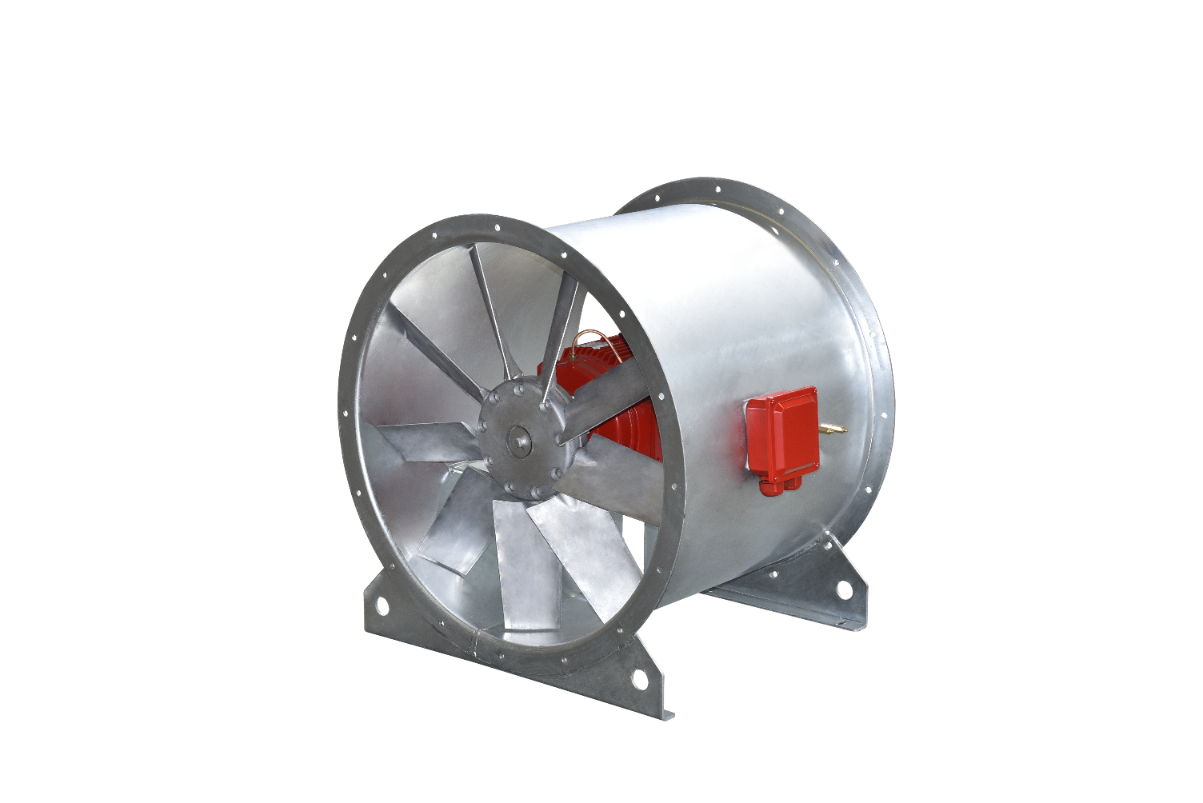
Adopting customized electrostatic dust removal fans, the PM2.5 removal rate exceeds 85%, solving the problem of single-hole double-layer ventilation, and achieving low energy consumption and efficient purification.
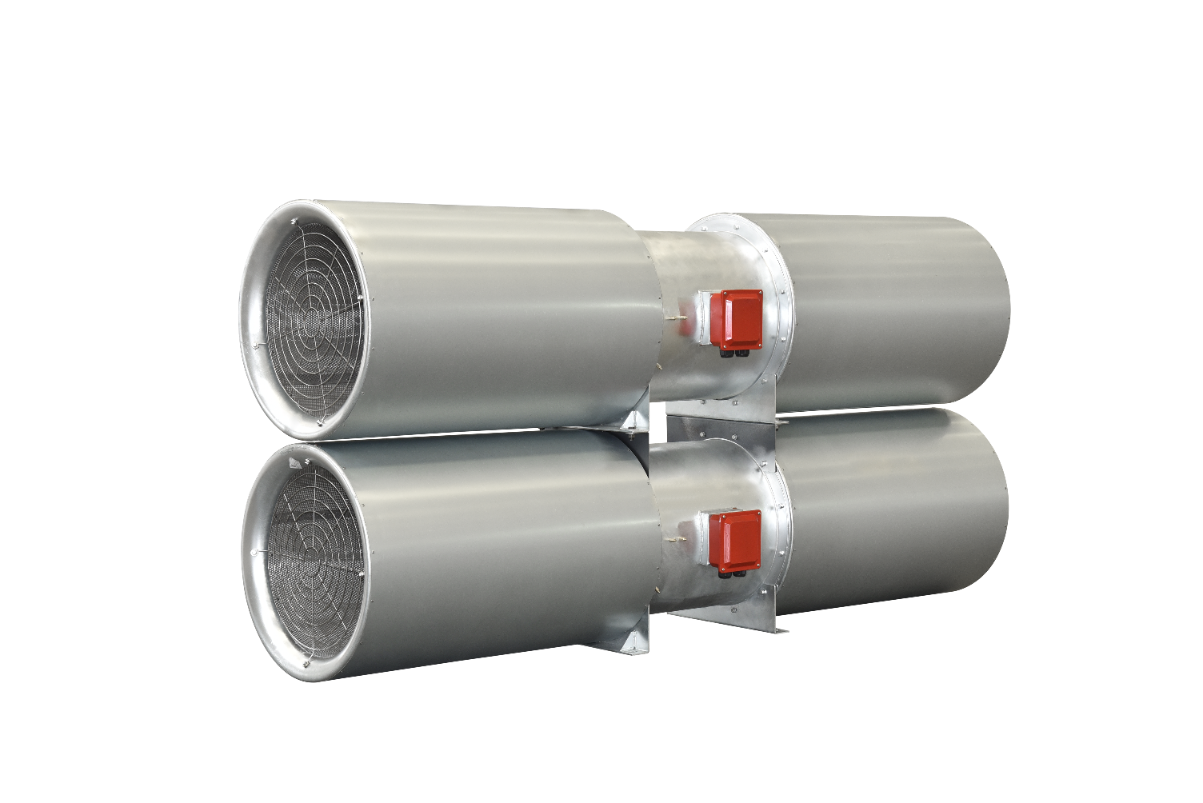
The Chunfeng Tunnel has a total length of 5,078 m, including 4,600 m of underground section. It adopts a 15.8 m ultra-large diameter shield to form a “single-tube double-deck” vehicular tunnel, where both the upper and lower decks are used for traffic. This results in a highly enclosed internal space and complex air flow paths. Conventional transverse ventilation is restricted, requiring centralized ventilation stations at the east and west ends, where high-power jet fans work in coordination with the longitudinal ventilation system.
As an urban expressway connecting Luohu and Futian districts, the tunnel is expected to handle over 60,000 vehicles per day. Vehicle exhaust contains high concentrations of PM2.5, PM10, NOx, and other pollutants, placing extremely high demands on the dilution and extraction capacity of the ventilation system. The fans must not only provide basic air exchange but also work in conjunction with air purification units to achieve efficient pollutant removal.
BIM technology is applied throughout the project, and a “Safety Risk Control Platform” has been established, integrating 3D GIS, InSAR satellite remote sensing, and AI algorithms for real-time monitoring of construction parameters and environmental data. This system also extends to the operation and management of ventilation equipment, supporting fan operating status prediction and fault warning.
Ancillary works of the tunnel (e.g., a slurry separation station) were once located only about 100 m from Ludan Mingyuan residential complex. Low-frequency vibrations generated by equipment operation caused residents to experience dizziness, tinnitus, and even wall cracking in their homes.
During commissioning and trial operation of HVAC fans and auxiliary equipment, if vibration mitigation measures are inadequate (e.g., failure to use spring vibration-isolation mounts, lack of flexible connections), vibrations can easily propagate through the ground, leading to the NIMBY (Not In My Backyard) effect.
Ultimately, the construction contractor was forced to relocate the slurry treatment plant 300 m westward to alleviate public complaints, reflecting the serious challenges in early-stage environmental impact assessment and equipment layout planning.
To cope with high concentrations of PM2.5, PM10, and NOx in vehicle exhaust, one air purification system is installed at each of the east and west ends, using multi-stage filtration + electrostatic precipitation + catalytic oxidation technology.
HVAC fans must provide stable static pressure and airflow to ensure uniform air distribution through the purification modules, avoiding local clogging or efficiency drop.
During long-term operation, dust accumulation on filter media leads to increased system resistance. Therefore, fans must have variable frequency drive (VFD) capability to dynamically adjust power, thereby maintaining purification efficiency while saving energy.
The tunnel traverses 11 fault fracture zones, with rock strength reaching 173 MPa. Ground disturbance during construction threatens the foundation stability of auxiliary structures such as ventilation machine rooms.
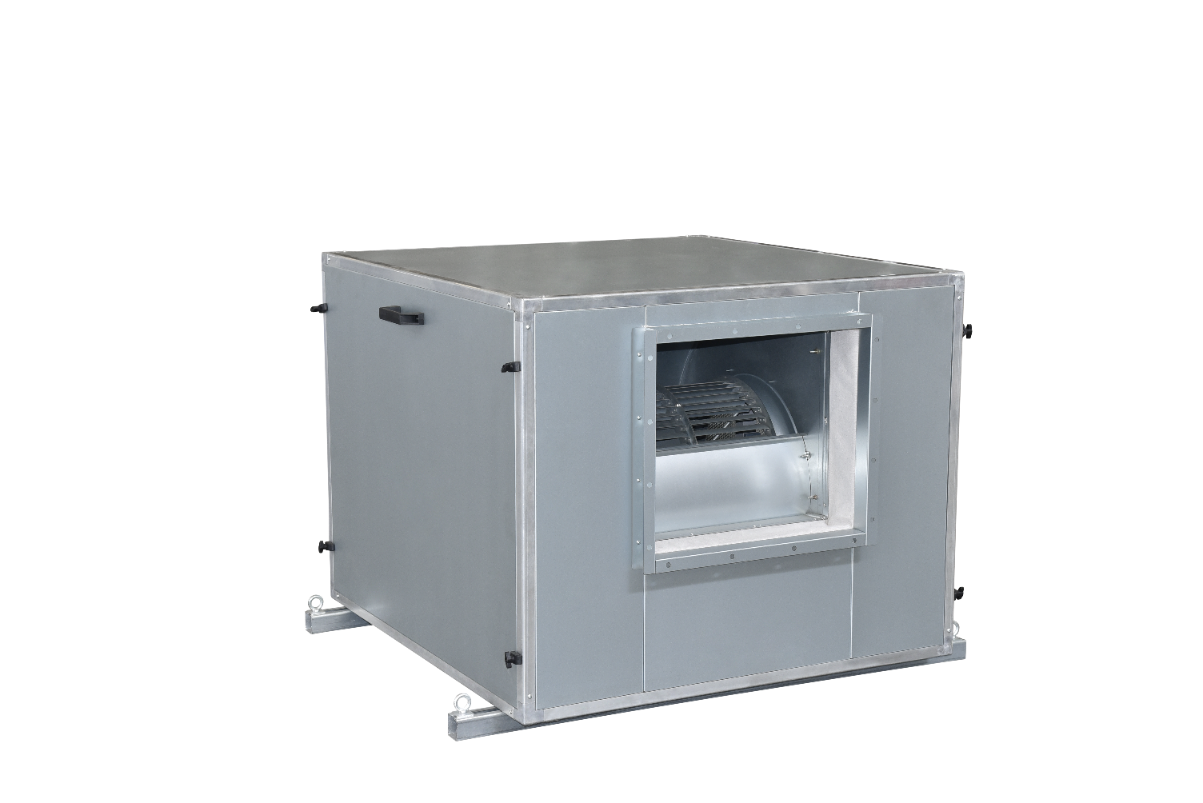
Deep-level machine rooms (up to 49 m below surface) are damp and difficult to access. Large fans must be transported in parts and assembled on site, increasing installation errors and subsequent vibration risks.
The ventilation system must interact with fire suppression/smoke extraction, structural monitoring, traffic signaling, and other systems. For example, under fire conditions, fans must quickly switch to smoke extraction mode, activating jet fans to create directional airflow and ensure safe evacuation of personnel.
In a dense urban environment, fan start/stop sequences must also avoid causing pressure fluctuations or noise superposition that could affect nearby buildings.
 EN
EN

 ONLINE