https://www.nf-fan.com/
Satisfy the harsh environmental demands of high temperature, high humidity, dense dust, and continuous operation.
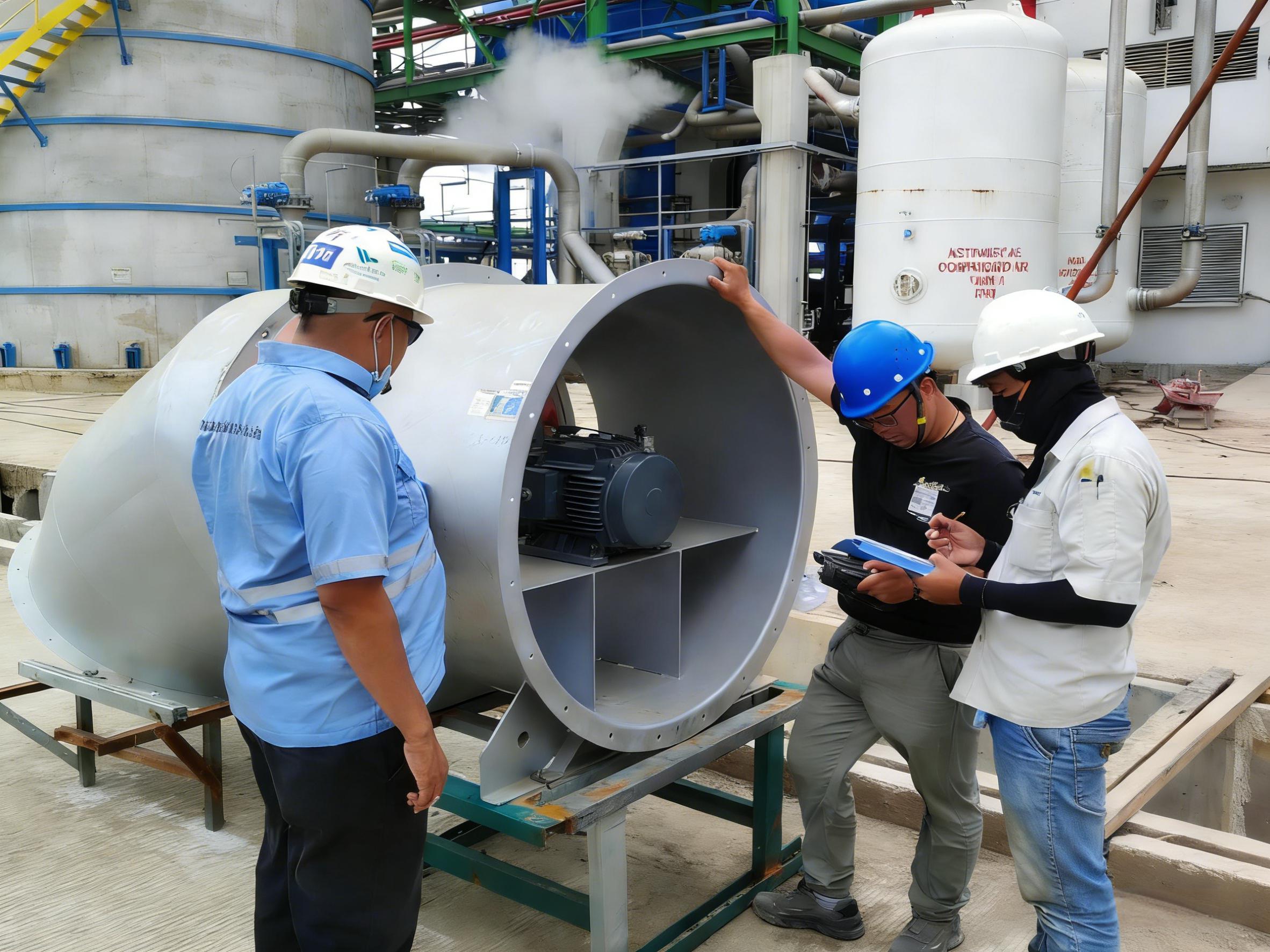
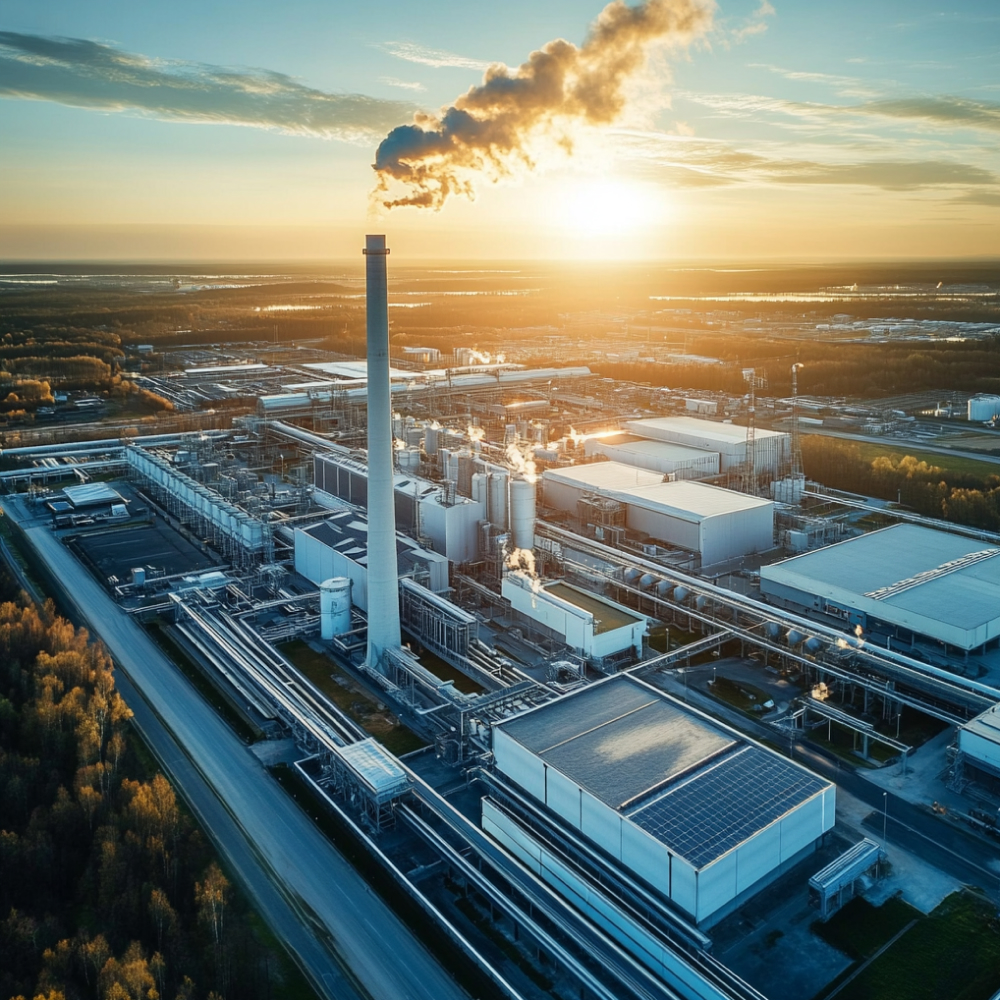
This production base is one of the world's largest comprehensive pulp and paper industrial parks. Due to high temperature and humidity, dense dust, and the requirement for continuous production, the design and construction of the fan system face severe challenges. The production process releases large amounts of heat and paper fiber dust (PM10/PM2.5), and the process equipment operates year-round, resulting in extremely high thermal loads inside the plant. Under these conditions, the fan system must achieve efficient heat extraction, precise dust control, and continuous ventilation to ensure stable equipment operation and personnel health.
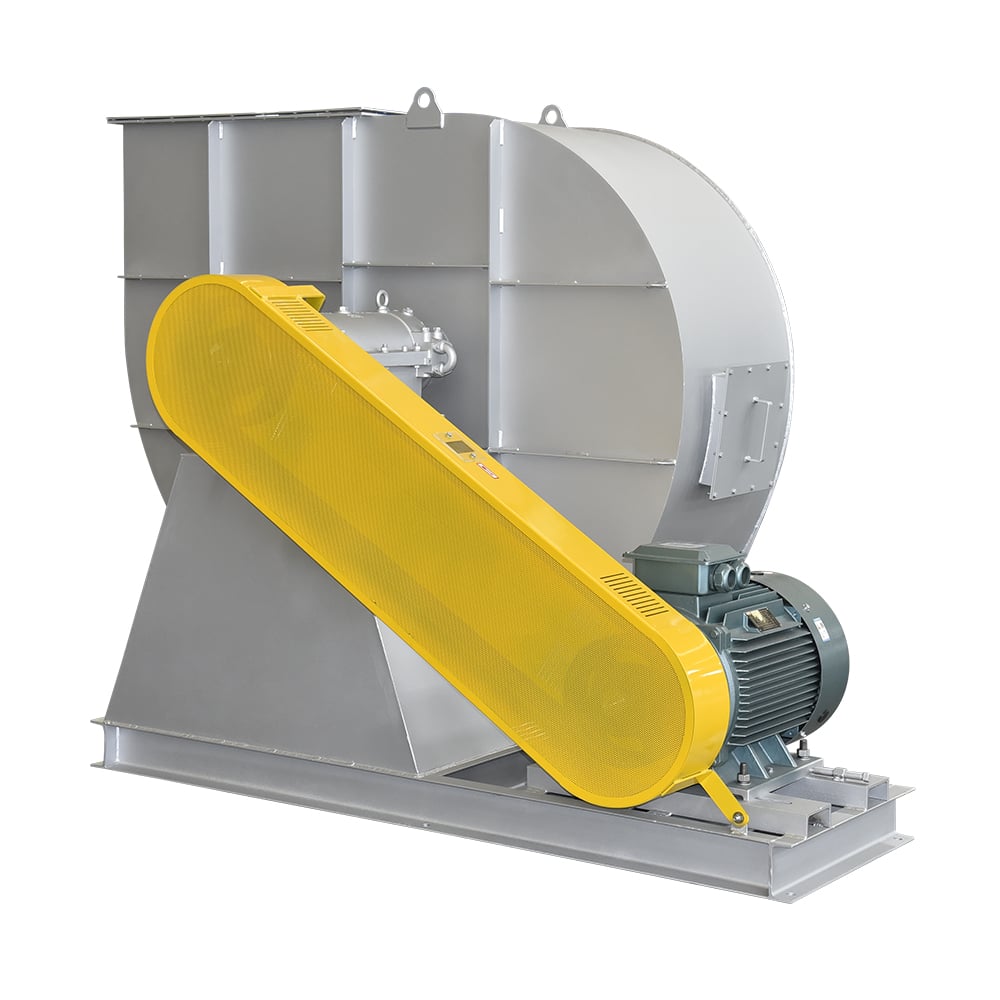
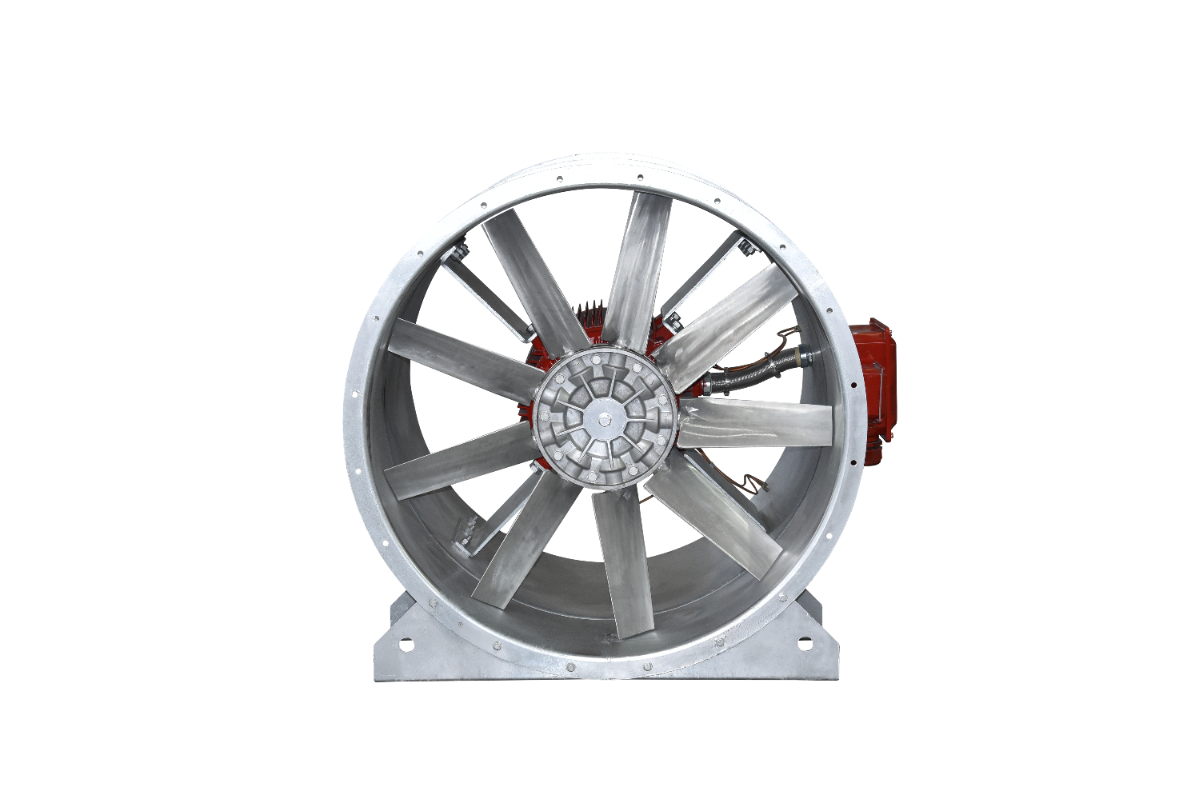
The air in pulp and paper workshops contains a large quantity of suspended fine paper dust and wood fibers, which can easily clog fan impellers and filtration systems, leading to airflow reduction and increased energy consumption. The ventilation system must be equipped with efficient self-cleaning filters and anti-clogging centrifugal fans, and designed with a rational airflow distribution path to prevent dust accumulation in dead corners, which could create explosion risks.
The tropical climate of Sumatra, combined with high-temperature processes such as cooking and drying, results in workshop conditions of >35 °C and relative humidity >80 % year-round. Ordinary fan motors and bearings are prone to moisture and corrosion. Industrial-grade equipment with IP55 or higher protection rating, corrosion-resistant coated housings, and sealed bearings must be selected to ensure long-term stable operation.
The base operates 24/7 without interruption. New ventilation system installation or retrofitting must be completed within limited shutdown windows, requiring precise construction planning. Fan installation involves working at height and large-scale lifting, with coordination of equipment such as pile-driving vessels and crane vessels in confined spaces (as illustrated by the “one vessel, two uses” case). This imposes extremely high demands on construction organization and safety management.
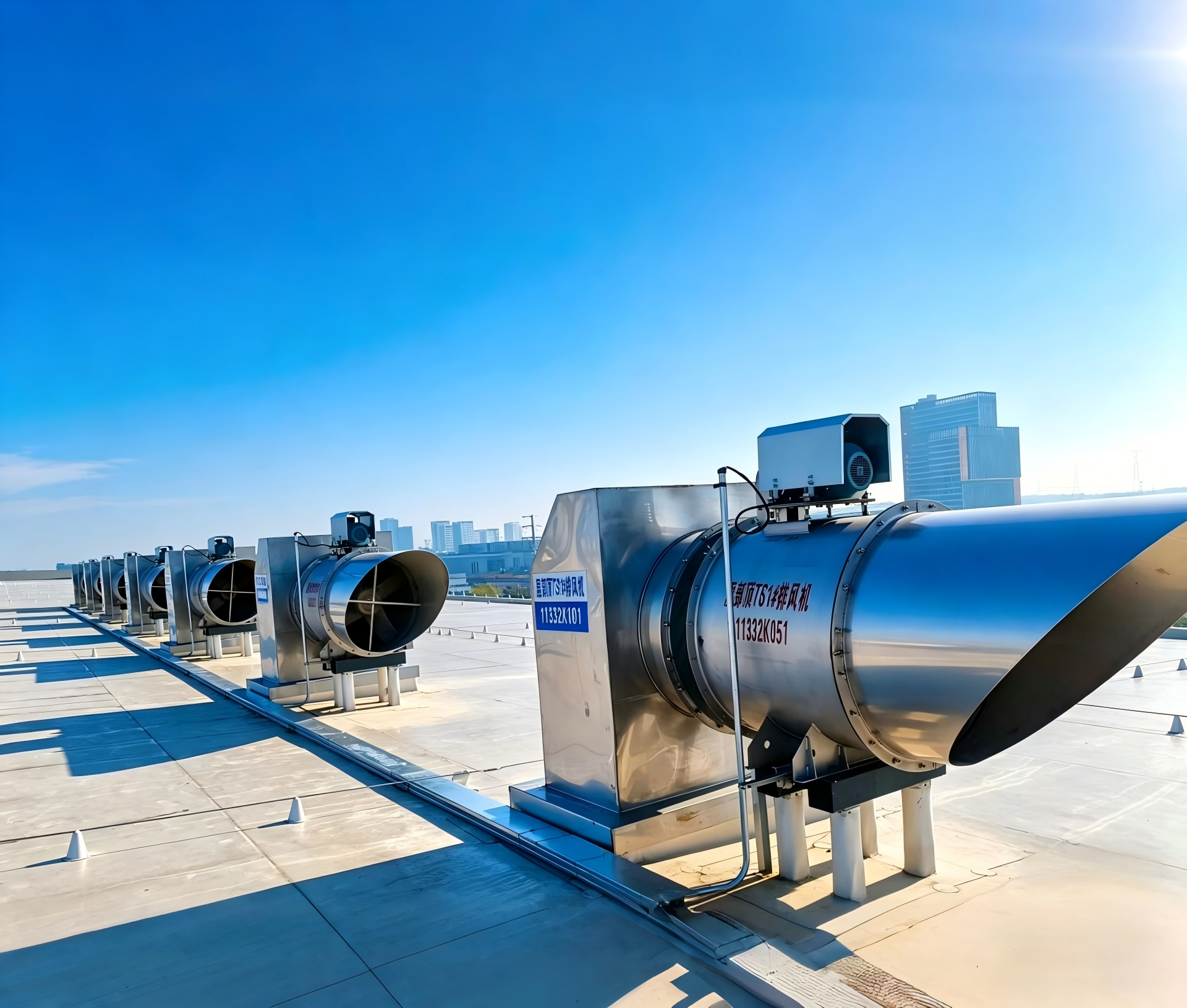
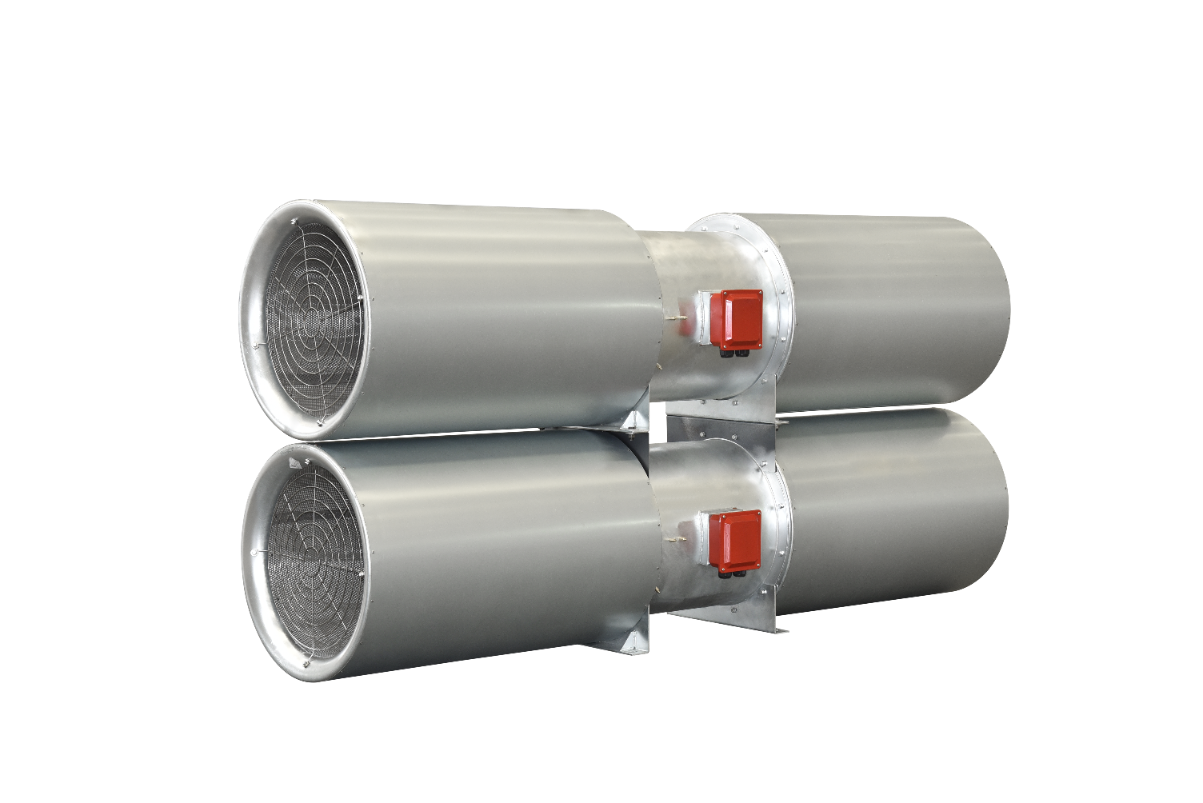
Strict standards for nitrogen oxide (NOx) and particulate emissions require the exhaust system to integrate denitrification and high-efficiency dust removal devices at the outlet, working in coordination with the fans to regulate static pressure and airflow, ensuring that exhaust gases meet emission limits. The system design must comply with local Indonesian environmental regulations and be adaptable to future stricter regulatory trends.
The energy consumption of large industrial fan arrays accounts for a significant portion of the plant’s total electricity usage. Variable frequency drive (VFD) and intelligent control systems must be adopted to dynamically adjust airflow based on production load, avoiding the “big horse pulling a small cart” inefficiency. During construction, sensors and data interfaces should be embedded to support later-stage smart operation and maintenance.
 EN
EN

 ONLINE