https://www.nf-fan.com/
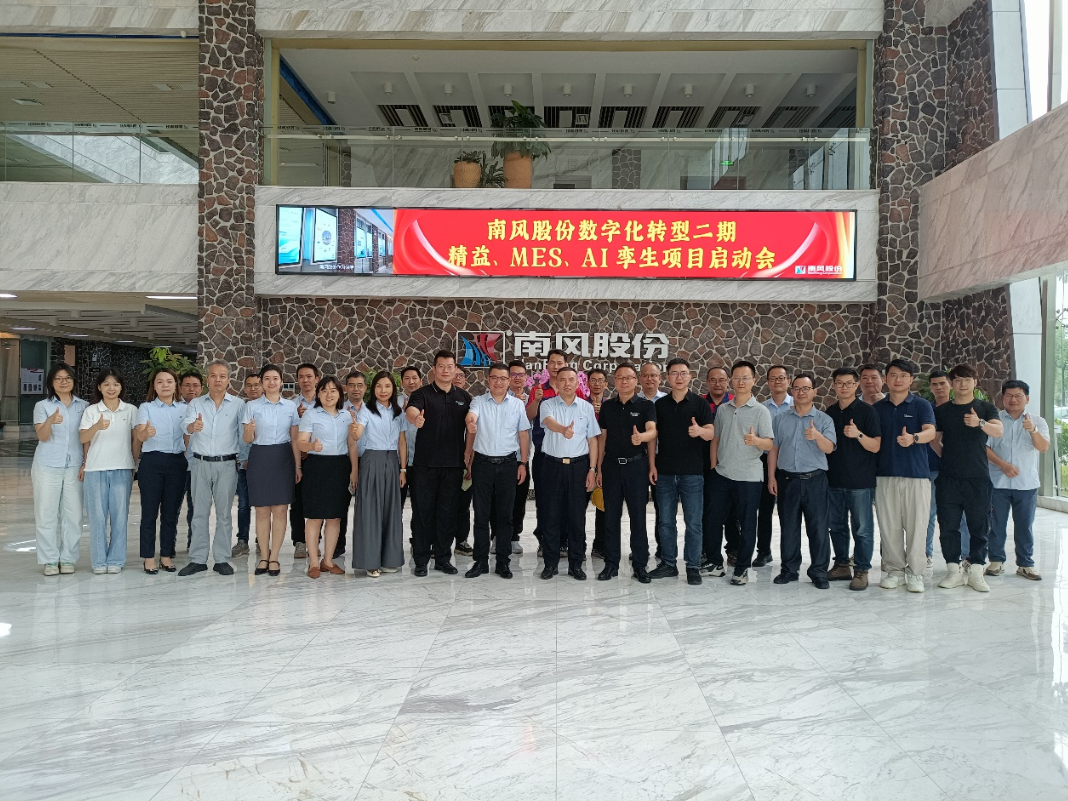
On May 7, the company successfully held the kick-off meeting for its Phase II Digital Transformation Project, focusing on Lean Management, Manufacturing Execution Systems (MES), and AI-enabled Digital Twin technology. The event brought together senior and mid-level management, project team members, and expert consultants from Midea Cloud Data Solutions. The meeting served as a pivotal platform to outline the strategic roadmap for the next stage of the company’s digital transformation journey, demonstrating a strong organizational commitment to advancing intelligent manufacturing practices and enhancing operational efficiency.
This Phase II initiative builds upon the success of the first phase and is guided by the strategic pillars of “lean, integrated, and intelligent.” The project is designed to drive the company’s operations into a new era of digitization by focusing on three core areas, each representing a critical lever for innovation, efficiency, and sustainable growth.
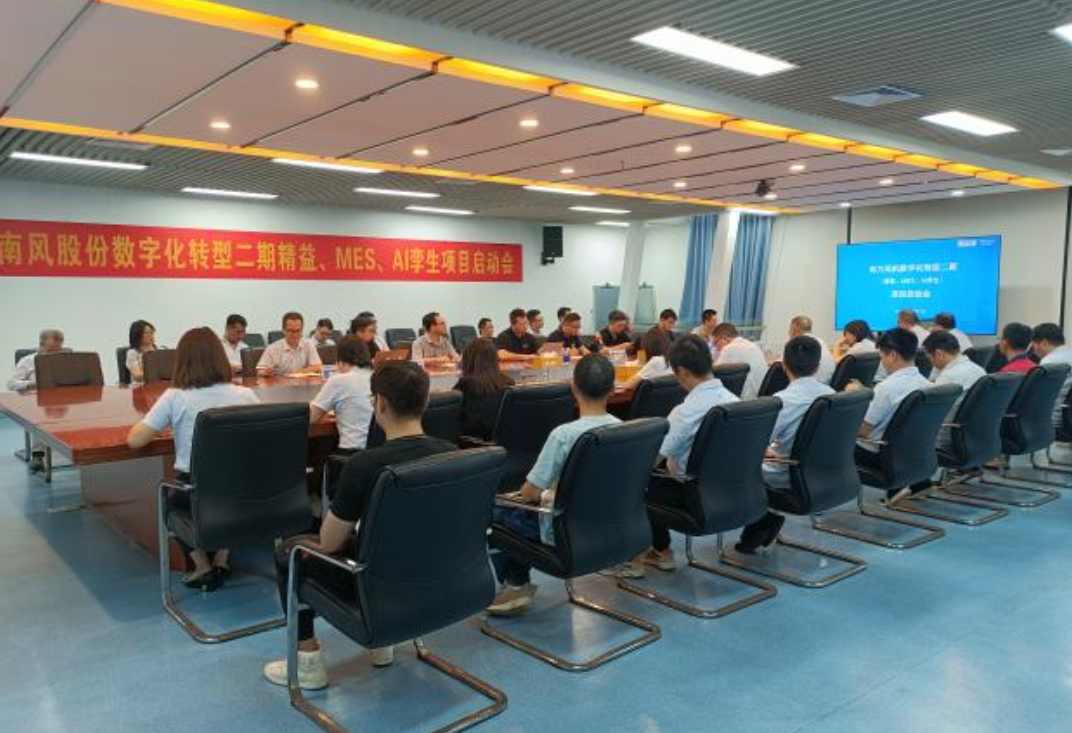
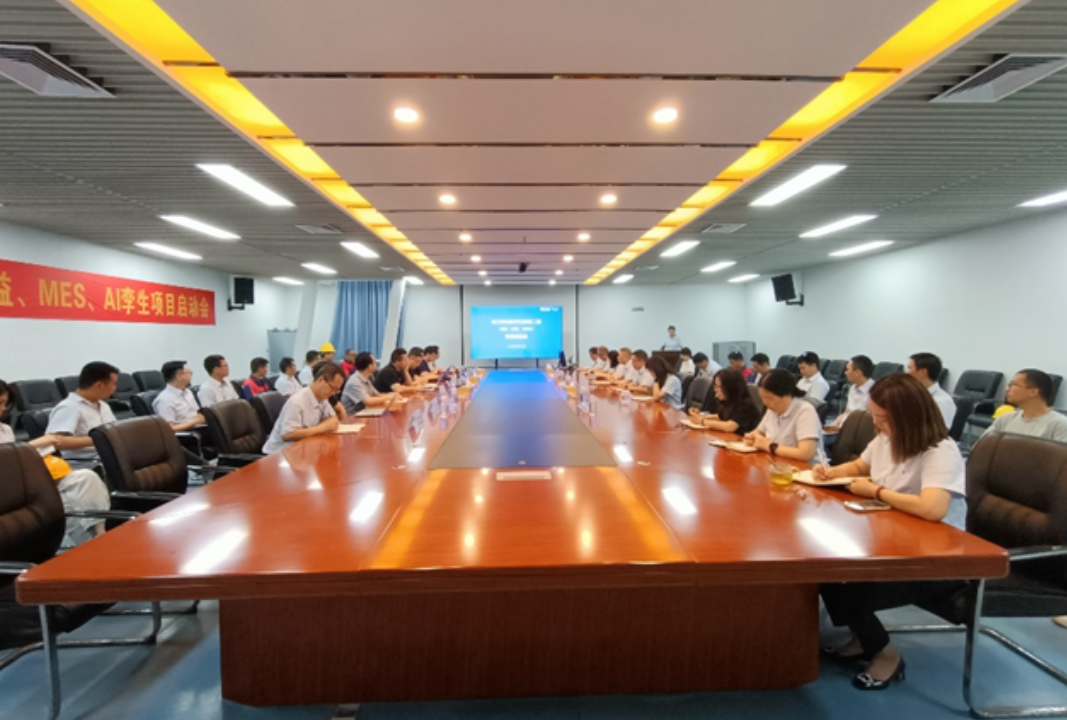
Lean Management and Process Optimization
Lean management forms the backbone of the company’s transformation strategy. During Phase II, the project will promote lean transformation within workshops, targeting waste reduction, streamlined workflows, and enhanced operational discipline. Key initiatives include optimizing warehouse processes to improve material flow and implementing intelligent logistics systems that reduce inefficiencies while increasing throughput. By reviewing and refining core business processes, the project aims to establish a standardized and robust foundation for digital deployment. This holistic approach ensures that lean principles are not limited to production lines but extend throughout the entire operational ecosystem, creating a culture of continuous improvement and process excellence.
System Integration and Digital Twin Implementation
Another focal point of the project is the deployment of integrated intelligent production and management systems. By unifying key business platforms, the company aims to achieve seamless connectivity between planning, production, inventory, and quality management functions. A centerpiece of this effort is the development of multi-level digital twin models. These digital twins will provide comprehensive visualization across the organization, from campus-wide operational overviews down to the performance of individual machines. Beyond monitoring, the models will support predictive maintenance strategies, enabling management to foresee potential equipment failures, plan interventions proactively, and reduce operational disruptions. This end-to-end digital visibility not only enhances operational transparency but also empowers teams to make data-driven decisions that improve efficiency and resource utilization.
AI Empowerment and Industrial Internet Development
Artificial intelligence and industrial internet technologies constitute the third core pillar of Phase II. The project will establish an intelligent data interaction platform capable of generating real-time production and operational insight reports, allowing managers and operators to respond to evolving conditions with agility and precision. Additionally, an industrial internet hub will facilitate remote equipment monitoring, anomaly detection, and automated alerts. By enabling proactive oversight of production processes, these technologies shift the organization from reactive problem-solving to predictive and preventative operational management. The integration of AI-driven analytics ensures that resources are optimized, downtime is minimized, and overall production performance is enhanced.
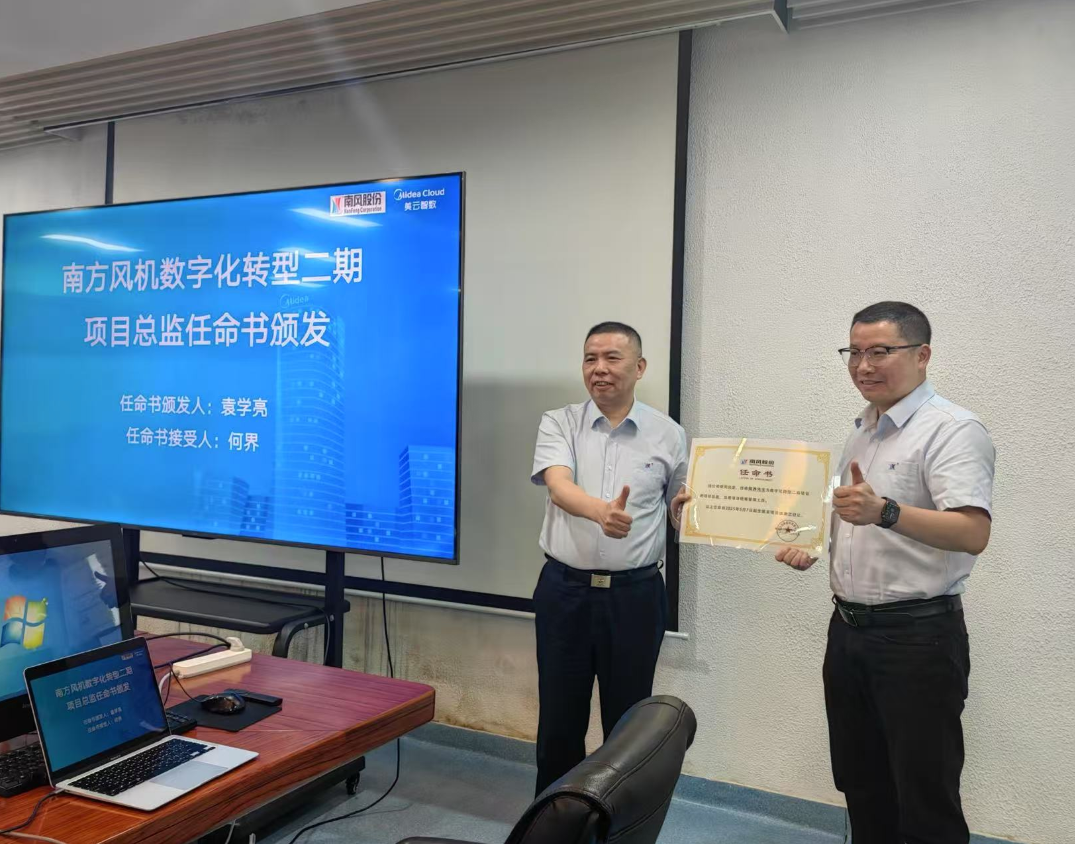
At the kick-off meeting, the Chairman emphasized critical principles for the project’s success: “Clear goals, assigned responsibilities, strict timeline control, and a transparent system of rewards and penalties.” These directives reinforce the company’s focus on accountability, structured execution, and performance measurement. In response, Project Director He Jie expressed the team’s strong commitment: “With a six-star mindset, taking responsibility as our mission and execution as our action, we will go all out to overcome challenges and ensure that project milestones are achieved as scheduled.” This declaration of intent reflects a company-wide determination to translate strategic goals into tangible outcomes, ensuring that digital transformation is fully integrated into daily operations.
Team members at the meeting also voiced their commitment to actively participate in the project, emphasizing the importance of ownership, collaboration, and knowledge-sharing. Each member pledged to apply their expertise to support the project’s objectives, ensuring that technological innovation, operational improvements, and process standardization are consistently pursued. This collective spirit underscores the company’s collaborative culture, which blends leadership guidance with frontline engagement to drive transformation.
Phase II of the digital transformation project represents a major opportunity for the company to overcome the limitations of traditional manufacturing. By leveraging lean management, advanced MES, AI-driven digital twins, and industrial internet capabilities, the company seeks to enhance operational visibility, optimize resource utilization, and create intelligent, responsive production systems. This project not only strengthens internal processes but also positions the company as a benchmark for intelligent manufacturing practices in the industry.
Looking forward, the company plans to continue using digital transformation as a core growth driver, integrating technology more deeply with business operations. The insights gained from this initiative will provide valuable support for strategic decision-making, accelerate innovation, and foster sustainable high-quality development. By embracing these advanced technologies, the company aims to set new standards for efficiency, precision, and adaptability, reinforcing its competitive advantage and creating new pathways for industry-wide transformation.
In conclusion, the successful kick-off of the Phase II Digital Transformation Project signals the company’s strong commitment to intelligent manufacturing, operational excellence, and continuous improvement. Through the combined efforts of management, project teams, and technology partners, the company is well-positioned to achieve its digital transformation goals, enhance productivity, and lead the industry into a new era of innovation and efficiency.
 Hot News
2026-06-03
2024-09-24
2025-05-16
2026-03-13
2025-09-27
 EN
EN




 ONLINE