 EN
EN

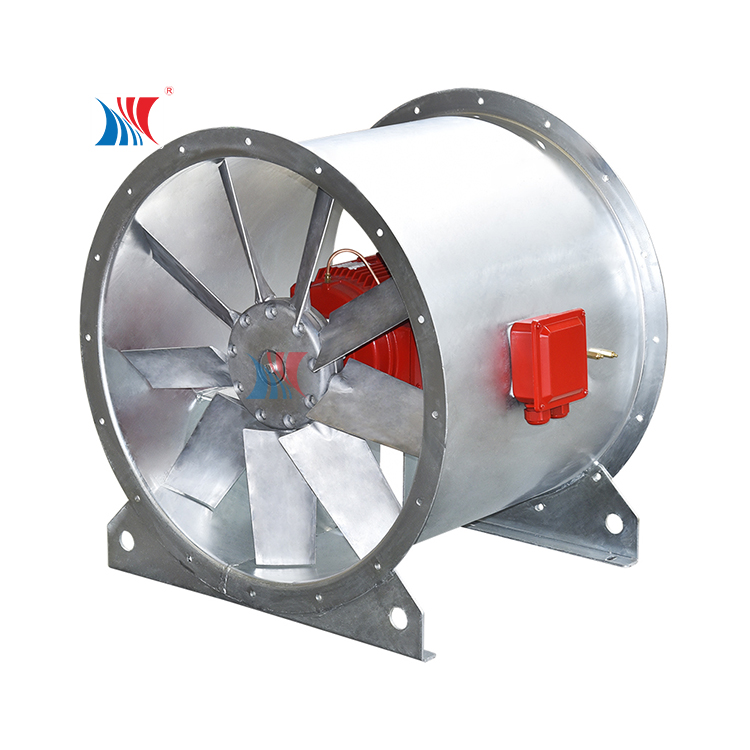
Match Aerodynamic Parameters With Actual Tunnel Operation Load
When buyers start screening axial fan for tunnel ventilation projects, calibrating airflow and static pressure parameters matching real tunnel operating conditions stands as the first critical selection step. Founded in 1988, our enterprise owns a 300,000 m² intelligent manufacturing base, CNAS accredited test lab and more than 110 independent patents covering tunnel axial fan aerodynamic structures. We have delivered over 1,000 tunnel engineering projects across 40+ countries including Beijing Metro Line 3 and Indonesian large pulp mill underground transit tunnels, accumulating massive real parameter matching experience. A long-distance mountain highway tunnel bidding project fully demonstrates the risks of mismatched axial fan aerodynamic indexes. The client initially picked generic axial fan with fixed airflow figures without calculating total pipeline resistance, long tunnel wind drag and vehicle exhaust accumulation volume. After one month of trial operation, the axial fan failed to dilute CO and NOx pollutants during peak traffic hours, and internal air layers produced obvious backlayering smoke as defined in PIARC tunnel ventilation manuals. Our technical team re-calculated full-section tunnel wind resistance curve, reselected bidirectional high-efficiency axial fan with adjustable blade angles and rematched static pressure rating to eliminate airflow dead zones completely.
Professional ventilation engineers referenced AMCA 210 and PIARC road tunnel standards clarify that qualified axial fan selection must separate two core operating modes: daily pollutant dilution ventilation and emergency fire smoke exhaust. Daily operation requires axial fan to deliver stable volumetric flow to disperse vehicle exhaust; fire mode demands axial fan to maintain sufficient static pressure to push high-temperature smoke without airflow stall. Every axial fan produced by our factory undergoes wind tunnel testing in CNAS labs to output authentic performance curve charts, instead of nominal theoretical data offered by small assembly factories. Our adjustable airfoil blade design allows each axial fan to adjust airflow output within a wide range, adapting variable traffic flow peaks and valley periods of different tunnels. Blind selection of fixed-spec axial fan ignoring tunnel length, cross-sectional area and gradient will lead to insufficient ventilation or excessive power waste throughout long-term operation, a common procurement error for inexperienced EPC contractors.
Verify High-Temperature Fire Resistance Standards Of Qualified axial fan
Fire safety high-temperature tolerance acts as the non-negotiable hard threshold when picking axial fan for tunnel ventilation, as tunnels face severe high-temperature smoke hazards during vehicle fire incidents. Our full series tunnel axial fan adopts H-class insulated motors, integrated thermal barrier shells and aerospace aluminum alloy impellers, passing EN 12101-3 280°C 120-minute continuous fire resistance testing, fully complying with NFPA 502 tunnel safety specifications. A coastal cross-sea tunnel cooperation project reflected the hidden dangers of low-grade axial fan without standardized fire structures. Competing suppliers supplied ordinary industrial axial fan with Class B motors and thin iron casings; third thermal aging simulation tests showed the fan would lose stable rotation within 30 minutes under 250°C smoke environment, failing emergency smoke exhaust design requirements. Our customized axial fan assembly integrates independent motor heat isolation cavities and E90 fireproof internal wiring, blocking radiant high heat from damaging core rotating components during fire events.
International tunnel fire safety consultants note three mandatory structural indicators to inspect on all candidate axial fan for tunnel ventilation: motor insulation temperature grade, impeller thermal shock resistance and full-machine integrated heat insulation layers. Many low-cost axial fan manufacturers cut costs by removing thermal barrier components, which cannot pass engineering fire acceptance inspection. Before formal order confirmation, our factory provides complete CNAS high-temperature aging test reports attached to each axial fan quotation, including real-time temperature curve records during 2-hour extreme environment operation. For urban underground metro tunnels adjacent to residential blocks, we supply upgraded fire-resistant axial fan with double-layer silencing casings that balance smoke extraction performance and low running noise, solving dual demands of fire safety and environmental protection simultaneously during axial fan selection.
Differentiate Corrosion Protection Configurations By Tunnel Environment Types
Different tunnel construction locations (inland mountain, urban underground, coastal cross-sea) create distinct damp, salt fog and dust erosion environments, requiring targeted anti-corrosion material matching during axial fan selection. Our R&D team sorts three graded anti-corrosion schemes for axial fan covering all tunnel working scenarios based on thousands of global project cases. The Indonesian coastal industrial tunnel project serves as a typical reference case; the project site features year-round high humidity and sea salt particle floating air. Ordinary single-layer painted axial fan purchased by the client’s former supplier developed rust perforation on casings and locked stainless fasteners within six months of continuous operation. Our customized axial fan adopts hot-dip galvanizing base plus double fluorocarbon topcoat treatment, with all connecting bolts upgraded to 316 stainless steel accessories. After four years of uninterrupted operation in the salt fog tunnel, the axial fan maintains complete surface integrity without rust or peeling defects.
AMCA material testing specialists state that standard carbon steel axial fan shells only fit inland dry mountain tunnels, while coastal and industrial underground tunnels must add multi-layer anti-corrosion coating systems to axial fan housings and impellers. When selecting axial fan for tunnel ventilation, buyers need to clearly sort project environmental factors: annual average humidity, distance from coastline, industrial dust concentration and underground water seepage frequency, then match corresponding anti-corrosion grades. Our factory clearly marks three optional anti-corrosion packages for all tunnel axial fan in quotation documents without hidden extra charges: basic hot galvanized for inland road tunnels, fluorocarbon coated medium grade for city metro tunnels, full stainless steel high anti-corrosion version for cross-sea tunnels. Each axial fan’s anti-corrosion treatment process is recorded in production archives, supporting third-party material inspection at any project acceptance stage, fully guaranteeing long service life after axial fan installation in harsh tunnel environments.
Match Noise Reduction Structures Based On Tunnel Surrounding Zones
Running noise control is an easily overlooked but vital selection indicator of axial fan for tunnel ventilation, especially for underground passages built beneath residential districts or commercial buildings. Our tunnel axial fan series supports multi-grade silencing module customization, balancing airflow efficiency and acoustic performance without sacrificing thrust output. Beijing Metro Line 3 deep underground tunnel renovation project exposed the drawbacks of underdesigned axial fan silencing structures. The early alternative axial fan without layered perforated silencer operated at 86dB(A) ten meters away under rated power, failing urban environmental assessment limits of below 75dB(A) at night. Our optimized axial fan installs double-layer flame-retardant sound absorption silencers at both air inlet and outlet, paired with backward curved low-vibration impellers and G2.5 grade dynamic balance calibration, cutting operating noise by 13dB while retaining full design airflow volume.
Global underground space environmental assessment experts release unified noise control standards for tunnel axial fan selection: axial fan installed within 500 meters of residential buildings must adopt dual silencing assemblies, while remote mountain highway tunnels can select single-layer basic silencing axial fan to lower procurement budget. When comparing multiple axial fan suppliers, buyers need to request AMCA 311 certified acoustic test reports instead of nominal noise data from product catalogs. Our CNAS lab completes full octave band noise testing for each axial fan model before mass production, recording decibel values under different airflow gears for clients’ environmental filing use. We also equip all tunnel axial fan with multi-layer spring vibration isolation brackets as standard configuration, preventing vibration resonance transmitted to tunnel concrete ceilings that generates secondary low-frequency noise after axial fan installation. Reasonable noise matching during axial selection avoids post-construction noise rectification and additional renovation costs for tunnel EPC contractors.
Confirm Electrical Control Compatibility For Tunnel Group Ventilation
Modern tunnel longitudinal ventilation relies on multiple linked axial fan units, so matching unified intelligent control systems becomes the final core link of axial fan selection. Our tunnel axial fan reserves standardized industrial PLC communication interfaces as default configuration, supporting centralized group control from tunnel central control rooms, bidirectional rapid rotation switching and automatic linkage with fire alarm sensors. A domestic intercity highway tunnel group framework order fully illustrates the value of integrated electrical matching during axial fan procurement. Competing generic axial fan only supported independent single-machine operation without unified communication protocols, forcing the contractor to redevelop extra control cabinets and rewrite linkage programs, extending construction periods by over one month. Our full set axial fan solution delivers complete wiring diagrams, sensor matching tables and remote monitoring parameter templates free of charge, allowing seamless docking with tunnel automatic ventilation systems without secondary electrical transformation.
PIARC tunnel operation technical guides emphasize that qualified axial fan for tunnel ventilation must complete forward-reverse airflow switching within 30 seconds after receiving fire signals, with reverse airflow efficiency reaching no less than 98% of forward rated volume, a key parameter to verify during supplier sample inspection. When selecting axial fan, purchasers should confirm whether the manufacturer provides full-cycle electrical technical support including after-installation debugging and long-term spare motor supply. As a manufacturer with 40+ global service agents, our brand offers 15-year core component spare part guarantee for all tunnel axial fan, eliminating worries about later maintenance replacement. Complete matching between axial fan hardware and tunnel intelligent control systems ensures the whole ventilation group operates under optimal energy-saving modes for both daily traffic and emergency fire conditions, maximizing long-term operation cost benefits after axial fan installation.
Table of Contents
- Match Aerodynamic Parameters With Actual Tunnel Operation Load
- Verify High-Temperature Fire Resistance Standards Of Qualified axial fan
- Differentiate Corrosion Protection Configurations By Tunnel Environment Types
- Match Noise Reduction Structures Based On Tunnel Surrounding Zones
- Confirm Electrical Control Compatibility For Tunnel Group Ventilation