 EN
EN

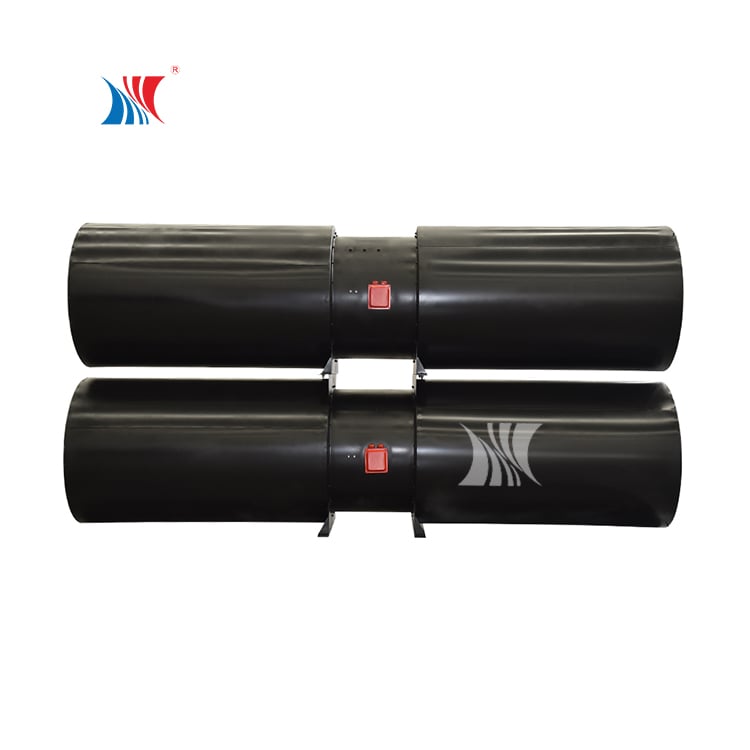
Fire Safety Requirements and Design Principles of Tunnel Jet Fans
Tunnel ventilation systems play a critical role in maintaining safe conditions during normal operation and emergency situations. In the event of a tunnel fire, jet fans help control smoke movement by generating longitudinal airflow and supporting evacuation and firefighting activities.
Fire rated jet fans are designed to maintain reliable operation under elevated temperatures and harsh conditions. Their performance is evaluated according to applicable fire safety standards, testing procedures, and project-specific requirements. Standards such as NFPA 502 provide important guidance for tunnel fire protection and ventilation system design, while regional regulations may define additional requirements.
Unlike conventional ventilation fans, fire resistant jet fans must consider not only airflow performance but also structural stability, motor protection, material durability, and operational reliability during emergency conditions. The goal is to maintain effective smoke management while ensuring the ventilation system continues functioning when it is most needed.
Selecting the Right Fire Rating and Materials for Jet Fan Reliability
Fire resistance requirements vary depending on tunnel type, location, traffic conditions, and emergency planning strategies. Selecting an appropriate temperature resistance class requires balancing safety requirements, equipment cost, and long-term operational needs.
Higher temperature resistance usually requires stronger materials, improved insulation systems, and enhanced protection for key components such as motors, bearings, and impellers. Stainless steel housings, heat-resistant coatings, and specially designed impellers are commonly used to improve durability in high-temperature environments.
However, higher fire ratings do not simply mean higher performance. Engineers must evaluate the complete ventilation system, including tunnel geometry, smoke extraction strategy, airflow requirements, and maintenance conditions.
A properly selected fire rated jet fan provides a balance between thermal resistance, aerodynamic efficiency, and lifecycle reliability.
Aerodynamic Performance of Jet Fans During Fire Conditions
High-temperature environments can significantly affect airflow characteristics. As air temperature increases, air density decreases, which influences thrust generation and overall fan performance.
During a tunnel fire, jet fans must continue producing sufficient airflow to support smoke control. Engineers consider factors such as temperature impact, airflow resistance, tunnel size, and fan arrangement when designing emergency ventilation systems.
Modern jet fans use optimized impeller designs, efficient motors, and advanced control systems to maintain stable operation under changing conditions. Variable speed control can also improve system flexibility by allowing airflow adjustment according to actual ventilation requirements.
Proper aerodynamic design helps reduce unnecessary energy consumption during normal operation while maintaining emergency performance when required.
The Role of Reversible Jet Fans in Tunnel Emergency Ventilation
Reversible jet fans provide additional flexibility because they can generate airflow in both directions. This capability is especially valuable in tunnels where fire location and smoke movement can vary.
During emergencies, reversible jet fans work together with fire detection systems, control platforms, and ventilation strategies to direct smoke away from evacuation routes and support emergency response.
A coordinated ventilation system may adjust fan direction and operating speed according to factors such as fire location, tunnel layout, and smoke conditions. This intelligent control approach improves response efficiency and helps maintain safer conditions for occupants and emergency personnel.
Improving Tunnel Ventilation Efficiency Through Smart Fan Design
Beyond fire safety, modern tunnel operators increasingly focus on energy efficiency and lifecycle costs.
High efficiency motors, optimized impeller designs, and intelligent control systems help reduce unnecessary power consumption during daily operation. Instead of running at maximum capacity continuously, advanced ventilation systems can adjust airflow according to real-time requirements.
Regular inspection and condition monitoring also contribute to long-term reliability. Monitoring vibration, temperature, and operating performance allows maintenance teams to identify potential issues before they lead to unexpected downtime.
Through efficient design and proactive maintenance, fire rated jet fans can provide dependable performance throughout their service life.
FAQ
What is a fire rated jet fan?
A fire rated jet fan is a tunnel ventilation fan designed to maintain reliable operation under high-temperature fire conditions. It supports smoke control and emergency ventilation during tunnel incidents.
Why are jet fans important for tunnel fire safety?
Jet fans help create controlled airflow inside tunnels, limiting smoke movement and supporting safer evacuation and firefighting operations.
What materials are commonly used in fire resistant jet fans?
Fire resistant jet fans commonly use materials such as stainless steel, heat-resistant coatings, and specially designed components to improve durability under high temperatures.
What is the advantage of reversible jet fans?
Reversible jet fans can change airflow direction, allowing ventilation systems to respond more flexibly to different emergency scenarios.
How can tunnel operators improve jet fan efficiency?
Using efficient motors, variable speed control, optimized fan designs, and regular maintenance can improve energy efficiency and extend equipment service life.
Table of Contents
- Fire Safety Requirements and Design Principles of Tunnel Jet Fans
- Selecting the Right Fire Rating and Materials for Jet Fan Reliability
- Aerodynamic Performance of Jet Fans During Fire Conditions
- The Role of Reversible Jet Fans in Tunnel Emergency Ventilation
- Improving Tunnel Ventilation Efficiency Through Smart Fan Design
- FAQ