 EN
EN

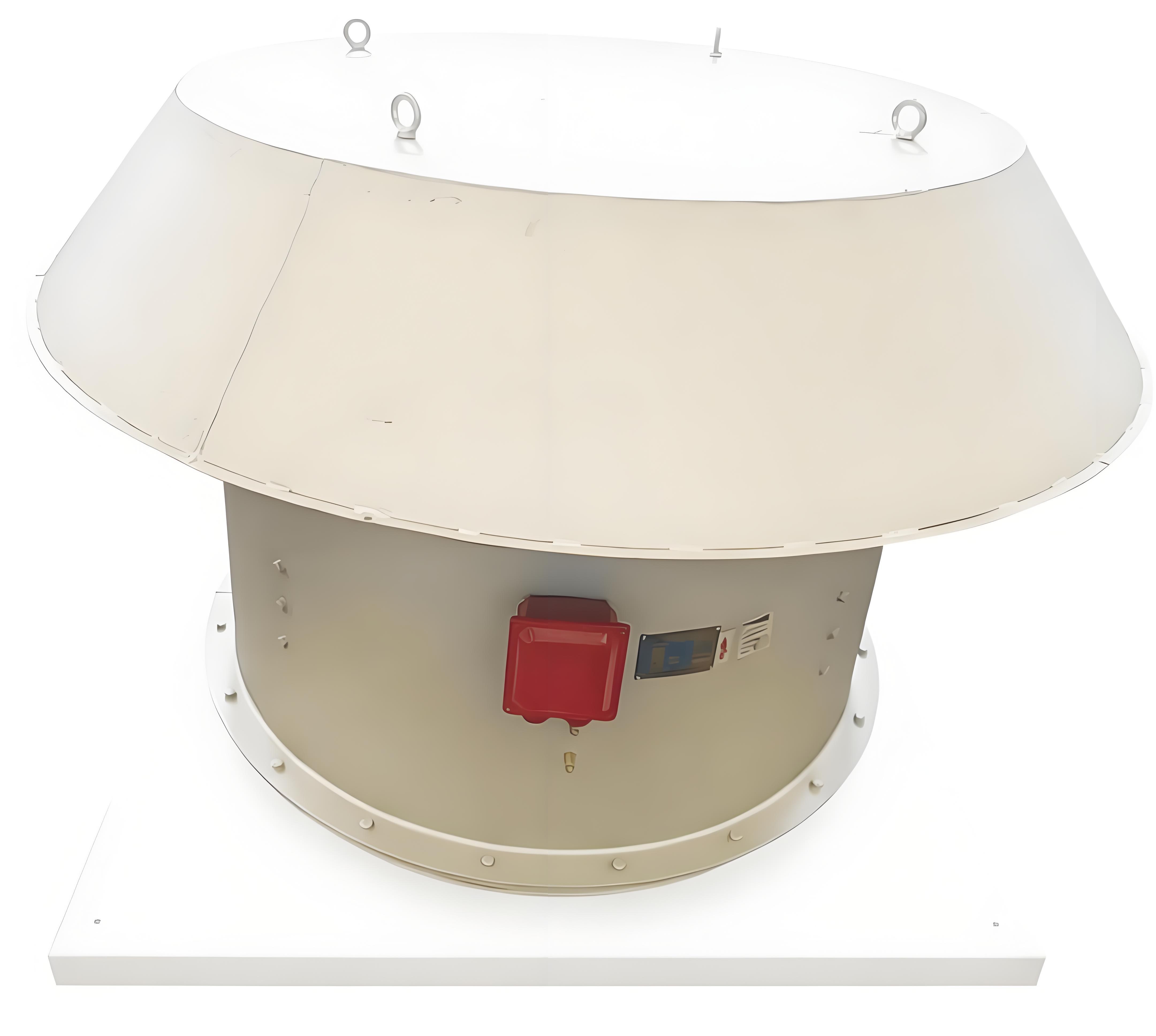
Environmental Challenges That Affect Roof Fan Lifespan
Roof fans installed in outdoor environments are continuously exposed to changing weather conditions. Unlike indoor ventilation equipment, roof fans must withstand sunlight, temperature changes, moisture, wind, and airborne contaminants throughout their service life.
Three major factors commonly influence roof fan durability: UV exposure, thermal cycling, and moisture.
UV radiation can gradually weaken certain plastics and coatings, causing discoloration, brittleness, or surface deterioration over time. Thermal cycling creates repeated expansion and contraction as temperatures change, which may affect seals, fasteners, and connection points. Moisture exposure increases the risk of corrosion, electrical issues, and reduced motor reliability if the equipment is not properly protected.
For this reason, selecting weather resistant materials is an essential part of designing reliable roof ventilation systems.
Choosing Durable Materials for Weatherproof Roof Fans
Material selection directly affects how well a roof fan performs in outdoor environments. Different materials provide different advantages depending on climate conditions and application requirements.
Stainless steel is widely used for roof fan components because of its corrosion resistance and structural strength. It is particularly suitable for coastal areas, industrial environments, or locations where the equipment may be exposed to moisture and chemical contaminants.
Aluminum offers a lightweight solution with good corrosion resistance. With proper surface treatment, aluminum components can provide long-term outdoor durability while reducing overall equipment weight.
UV-resistant engineering plastics, such as stabilized polycarbonate or ASA materials, are also used in selected roof fan components. These materials help maintain impact resistance and appearance when exposed to continuous sunlight.
Protective coatings, sealing systems, and weather-resistant enclosures further improve durability by reducing the effects of outdoor exposure.
Matching Roof Fan Materials to Different Operating Environments
The ideal material choice depends on where and how the roof fan will operate.
For coastal applications, salt air can accelerate corrosion of unprotected metal surfaces. Stainless steel components, corrosion-resistant coatings, and sealed electrical enclosures help improve reliability in these conditions.
For industrial environments, roof fans may encounter dust, chemicals, or high temperatures. Materials with stronger chemical resistance and higher temperature tolerance are often preferred to maintain stable operation.
In areas with strong sunlight, UV-resistant housings and protective coatings help reduce aging caused by long-term solar exposure.
Cold climates require additional consideration for condensation, freezing conditions, and snow accumulation. Proper drainage design, durable materials, and reinforced structures help prevent moisture-related damage and mechanical stress.
Design Features That Improve Roof Fan Weather Resistance
Durability depends not only on materials but also on overall engineering design.
A reliable roof fan should include effective sealing methods to protect motors and electrical components from moisture. Proper drainage prevents water accumulation inside the housing, while corrosion-resistant fasteners reduce long-term maintenance issues.
Aerodynamic design also contributes to durability. Balanced impellers, stable mounting structures, and vibration-resistant components help reduce mechanical stress during continuous operation.
For applications exposed to demanding outdoor conditions, selecting a roof fan with appropriate protection ratings, suitable materials, and reliable construction is more important than choosing based only on initial cost.
Maintaining Long-Term Roof Fan Performance
Even high-quality weatherproof materials require proper maintenance to achieve their expected service life.
Regular inspection helps identify early signs of corrosion, damaged seals, loose fasteners, or unusual vibration. Cleaning accumulated dust and debris from fan components can also support efficient airflow and reduce unnecessary mechanical load.
By combining suitable materials, proper installation, and routine maintenance, roof fans can provide reliable ventilation performance in a wide range of outdoor environments.
FAQ
Why is material selection important for roof fans?
Material selection determines how well a roof fan withstands outdoor challenges such as UV exposure, moisture, temperature changes, and corrosion.
What materials are commonly used for weatherproof roof fans?
Common materials include stainless steel, aluminum, UV-resistant engineering plastics, and protective coatings designed for outdoor durability.
Are stainless steel roof fans better for coastal environments?
Stainless steel provides excellent corrosion resistance and is often preferred for coastal or high-moisture environments where additional protection is required.
How does UV exposure affect roof fans?
Long-term UV exposure can degrade certain materials, causing surface aging, reduced strength, or appearance changes. UV-resistant materials help minimize these effects.
How can roof fan service life be extended?
Regular maintenance, proper sealing, corrosion protection, and selecting materials suitable for the installation environment can improve long-term reliability.