 EN
EN

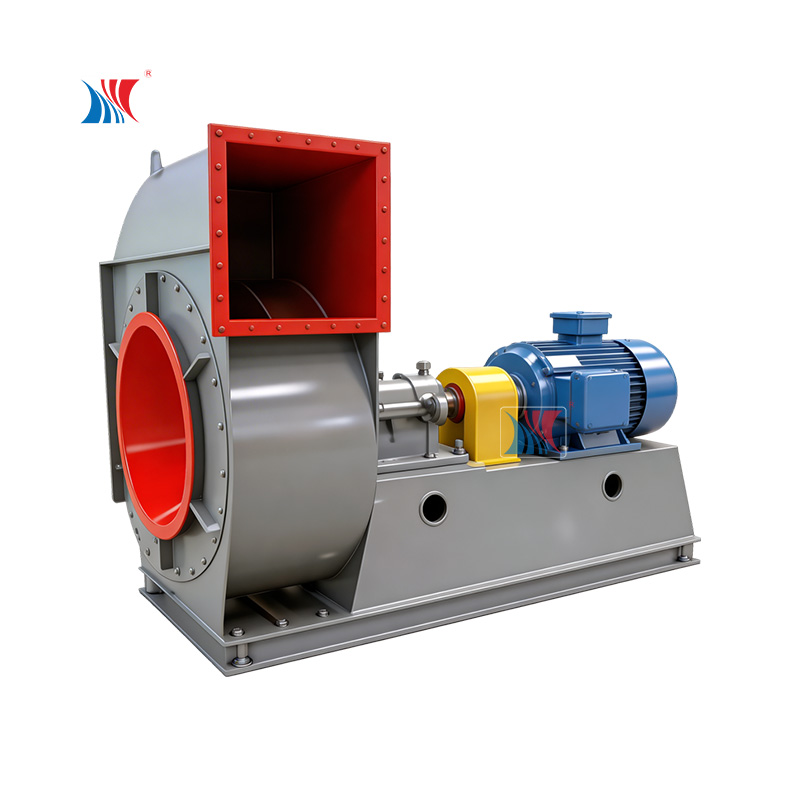
How Variable Frequency Drives Improve Industrial Blower Efficiency
Industrial blower systems often operate under changing airflow and pressure requirements. Traditional fixed-speed blowers may continue running at full capacity even when system demand decreases, resulting in unnecessary energy consumption.
Variable Frequency Drives (VFDs) provide a more flexible solution by adjusting motor speed according to actual operating conditions. Instead of controlling airflow through mechanical throttling devices, VFD systems regulate blower output directly, helping reduce energy waste and improve overall system efficiency.
The relationship between fan speed and power consumption follows the fan affinity laws. Because power demand changes approximately with the cube of speed variation, even a moderate reduction in operating speed can create significant energy savings.
In addition to improving efficiency, VFD-equipped blowers provide smoother startup performance, reducing mechanical stress on components such as bearings, belts, and motors. For industrial facilities operating continuously, these improvements can contribute to lower maintenance requirements and better long-term reliability.
Choosing the Right Centrifugal Blower Design for Efficiency
The impeller design plays an important role in determining blower performance, efficiency, and application suitability. Different centrifugal blower designs provide different advantages depending on operating conditions.
Backward inclined impellers are widely used in industrial ventilation applications because they provide stable airflow performance and reliable operation. Their design makes them suitable for systems where durability and consistent performance are important.
Airfoil impellers are designed to minimize turbulence and improve aerodynamic efficiency. They are often preferred for clean-air applications where energy efficiency and low operating costs are key considerations.
Multistage centrifugal blowers are commonly used when higher pressure is required. Their multi-impeller structure allows them to handle demanding applications such as wastewater aeration and industrial process systems.
Selecting the right impeller type requires evaluating airflow demand, pressure requirements, operating environment, and maintenance expectations rather than focusing only on peak efficiency values.
Selecting Industrial Blowers for Different Applications
Different industrial processes require different blower characteristics. Proper selection helps ensure stable operation, reduce energy consumption, and extend equipment service life.
For HVAC and ventilation systems, centrifugal blowers are commonly selected because they can provide reliable airflow across large systems with varying resistance.
Dust collection applications require blowers capable of overcoming pressure losses caused by filters, ductwork, and particulate handling systems. Durable construction and stable pressure performance are essential in these environments.
For pneumatic conveying, positive displacement blowers are often preferred because they can maintain consistent airflow even when system pressure changes. This helps support reliable material movement in industries such as food processing, chemical production, and manufacturing.
Wastewater treatment facilities rely on blowers to supply oxygen during aeration processes. Energy-efficient centrifugal and high-speed blower technologies can help improve operating efficiency while maintaining the airflow required for biological treatment.
When selecting a blower, engineers should consider airflow capacity, static pressure, temperature, humidity, and the presence of corrosive or abrasive materials.
Improving Industrial Blower Reliability Through Smart Engineering
Industrial blowers are often expected to operate continuously in demanding environments. Reliability depends on proper equipment design, material selection, and maintenance planning.
Modern blower systems increasingly incorporate condition monitoring technologies such as vibration monitoring and temperature analysis. These tools help identify potential problems before they develop into major failures.
Material selection is also critical. Stainless steel components, protective coatings, and corrosion-resistant materials can improve durability in environments exposed to moisture, chemicals, or aggressive gases.
A well-designed blower should also allow convenient maintenance access. Features such as service-friendly structures and replaceable wear components help reduce downtime and simplify long-term operation.
By combining efficient design, suitable materials, and proactive maintenance strategies, industrial facilities can improve blower performance while reducing operating costs.
Building More Sustainable Industrial Air Systems
Energy-efficient industrial blowers contribute to more sustainable manufacturing operations by reducing electricity demand and improving overall system performance.
Optimized blower selection, variable speed control, and efficient motor technologies allow facilities to match airflow production with actual process requirements. This prevents unnecessary energy use caused by oversized equipment or inefficient operating conditions.
Beyond energy savings, reliable blower systems also reduce maintenance waste and improve equipment lifespan. For industries focused on operational efficiency and environmental responsibility, modern blower technology provides a practical pathway toward more sustainable air management systems.
FAQ
What are the main types of industrial blowers?
The two common categories are centrifugal blowers and axial blowers. Centrifugal blowers are typically used for applications requiring higher pressure, while axial blowers are suitable for moving large volumes of air at lower pressure.
How can VFDs improve industrial blower performance?
VFDs adjust motor speed according to actual airflow requirements, helping reduce unnecessary energy consumption and improving system control.
How do I choose the right industrial blower?
Selection should consider airflow, static pressure, operating environment, temperature, materials being handled, and maintenance requirements.
Which blower is suitable for wastewater aeration?
Centrifugal and high-speed blower technologies are commonly used for wastewater aeration because they can provide reliable airflow for continuous operation.
Why is blower maintenance important?
Regular inspection and predictive maintenance help maintain efficiency, reduce unexpected downtime, and extend equipment service life.
Table of Contents
- How Variable Frequency Drives Improve Industrial Blower Efficiency
- Choosing the Right Centrifugal Blower Design for Efficiency
- Selecting Industrial Blowers for Different Applications
- Improving Industrial Blower Reliability Through Smart Engineering
- Building More Sustainable Industrial Air Systems
- FAQ