 EN

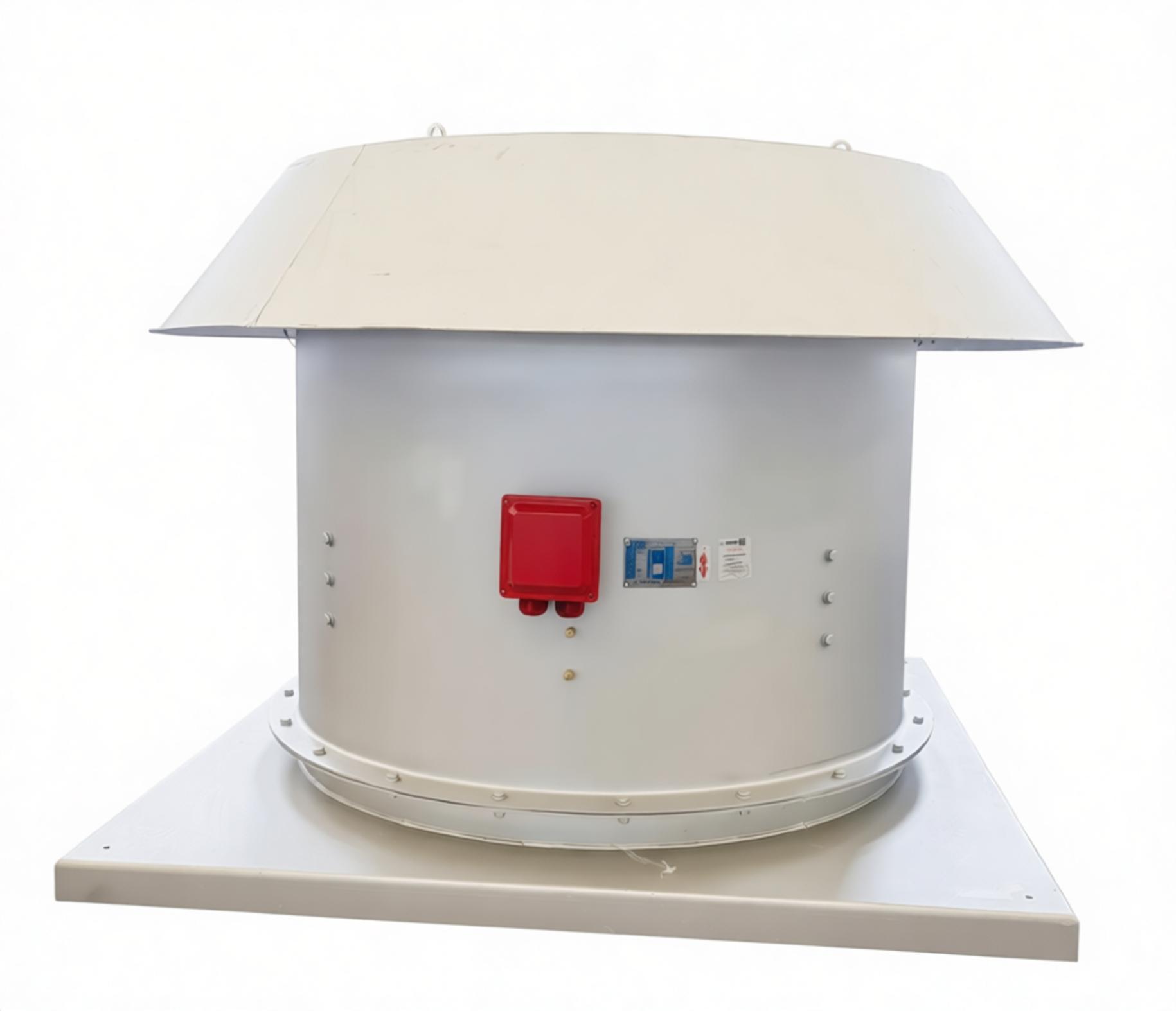
Heat Removal and Attic Temperature Regulation
How roof fans expel hot air to reduce attic surface temperatures
A roof fan acts as a mechanical exhaust system, pulling overheated air from the attic and replacing it with cooler outside air through intake vents—typically soffit or gable openings. On a hot summer day, stagnant attic air can exceed 150°F, turning the roof deck and framing into a radiant heat source. By moving air across these surfaces, the fan disrupts thermal accumulation, stripping away the insulating boundary layer clinging to the roof sheathing and lowering material surface temperatures. This cooling isn’t limited to air—it reduces the heat stored in the roof structure itself. As a result, the attic floor and insulation (the thermal barrier between attic and living space) run significantly cooler. Without active ventilation, the attic behaves like a heat reservoir, slowly radiating energy downward even after sunset. Maximum effectiveness requires balanced airflow: properly sized intake vents must support the fan’s exhaust capacity to ensure consistent cross-ventilation throughout the attic volume.
Data-backed impact: Up to 30–50°F reduction in attic temps during peak summer
Field studies confirm that a properly installed roof fan can reduce peak attic temperatures by 30–50°F (U.S. Department of Energy, 2022). In practice, an attic that would otherwise reach 160°F may stabilize below 120°F. That shift moves the space out of the high-stress thermal zone where common insulation materials degrade and framing members experience accelerated expansion and contraction. The greatest cooling occurs during peak solar gain, when the temperature differential between attic and outdoor air is largest. By limiting this spike, the fan prevents the attic from acting as a passive heat pump—reducing conductive and radiant heat transfer into the ceiling below and lowering the thermal load on the home’s building envelope.
Preventing heat transfer into living spaces and associated HVAC load reduction
A cooler attic directly reduces heat conduction through the ceiling and radiant energy absorption by attic insulation—lowering the cooling load on the HVAC system. Rather than working against a constant downward flow of heat from a superheated attic, the air conditioner runs fewer or shorter cycles, cutting energy use. Since air conditioning often accounts for the largest share of residential summer electricity consumption, even a 10–15% reduction in cooling demand translates to measurable savings. This benefit is especially pronounced in homes with ductwork located in the attic: cooler surrounding air minimizes heat gain in supply ducts, preserving the temperature of conditioned air before it reaches the registers. The combined effect is improved indoor temperature stability, reduced compressor strain, and extended equipment life—all without thermostat adjustments.
Moisture Control and Structural Protection
Mitigating humidity buildup, mold growth, and wood rot through continuous ventilation
A roof fan serves as a critical defense against moisture that threatens structural integrity. Warm, moisture-laden air from daily activities—cooking, showering, breathing—rises into the attic, where it condenses on cooler surfaces. Sustained humidity above 60% creates ideal conditions for mold spores to germinate, often within 24–48 hours (Centers for Disease Control and Prevention, 2023). By continuously exchanging damp attic air with drier outdoor air, the fan lowers the dew point and prevents saturation of wood sheathing and rafters—halting the early stages of wood rot. This steady ventilation preserves the roof deck’s structural performance and avoids the expense and health risks associated with mold remediation.
Winter-specific roof fan functions: Condensation control and ice dam prevention
In cold weather, the roof fan shifts focus to moisture management that protects both structure and thermal performance. When warm indoor air leaks into a poorly ventilated attic, it condenses as frost on the underside of the roof deck. A humidistat-controlled roof fan actively expels this moisture before it accumulates, preventing insulation saturation—which can reduce R-value by up to 40% when wet (U.S. Department of Energy, 2022). More critically, consistent ventilation helps maintain a uniformly cold roof surface, disrupting the melt-and-refreeze cycle that forms ice dams. By minimizing localized warming at the roof’s edge, the fan reduces the risk of water backing up under shingles and causing leaks or long-term structural damage.
Indoor Air Quality Enhancement via Roof Fan Operation
Indoor air quality (IAQ) is vital for occupant health and cognitive function, yet the U.S. Environmental Protection Agency reports indoor air can be two to five times more polluted than outdoor air (EPA, 2023). A strategically installed roof fan improves IAQ by exhausting stale, contaminated air from the upper building envelope—creating gentle negative pressure that draws in fresh outdoor air through passive vents, windows, or dedicated supply systems. This continuous air exchange dilutes and removes volatile organic compounds (VOCs) from cleaning products and building materials, excess carbon dioxide from respiration, and persistent odors that impair comfort and mental clarity. In commercial and industrial settings, roof fans are especially effective at purging airborne contaminants such as manufacturing fumes, dust, and chemical vapors—supporting compliance with occupational health standards. Unlike recirculating filtration alone, roof fans deliver true air changes, reducing pollutant concentrations at the source and mitigating risks of respiratory issues, allergies, and sick building syndrome.
Optimized System Performance: Pressure Balance and Energy Efficiency
Maintaining neutral attic pressure to prevent backdrafting, infiltration, and duct leakage
A properly operating roof fan stabilizes attic pressure near neutral relative to the outdoors—a key factor in whole-building performance. Excessive negative pressure can pull conditioned air from living spaces through ceiling penetrations and leaky ductwork (infiltration), while positive pressure may force warm, moist attic air into wall cavities or the building envelope. Manufacturer guidance indicates even a 5-Pascal pressure differential can drive significant uncontrolled air exchange across a typical ceiling plane. By exhausting hot air, the fan weakens the stack effect—the natural upward movement of warm air—that otherwise draws conditioned air upward. This neutral pressure zone also prevents backdrafting from combustion appliances like gas water heaters, ensuring flue gases vent safely outdoors. For HVAC systems with attic-mounted ducts, neutral pressure minimizes cross-duct leakage, as the pressure difference driving air loss through duct seams is substantially reduced.
FAQ
What is the purpose of a roof fan?
A roof fan is designed to expel hot or moist air from the attic, enhancing temperature regulation, moisture control, and indoor air quality.
How much can a roof fan reduce attic temperature?
Studies indicate that a roof fan can lower attic temperatures by 30–50°F during peak summer conditions.
How does a roof fan improve energy efficiency?
By maintaining cooler attic temperatures, a roof fan reduces heat transfer into living spaces, lowering HVAC energy consumption and enhancing system durability.
Can roof fans prevent mold and structural damage?
Yes, continuous roof fan ventilation helps manage humidity levels, preventing mold growth, wood rot, and frost issues during winter.