 EN

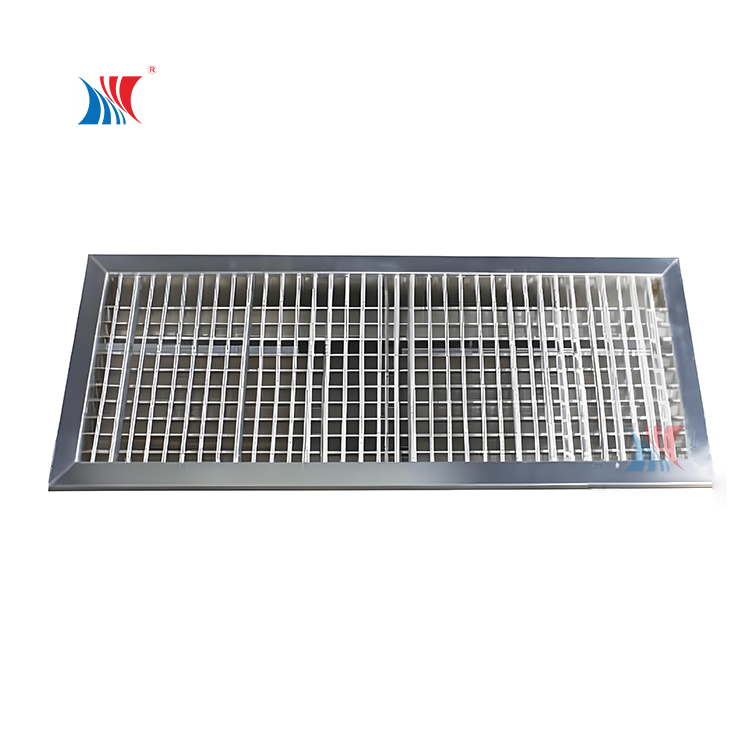
Core Material Properties for High-Performance Air Outlet Durability
Corrosion, UV, and Thermal Resistance as Non-Negotiable Traits
Corrosion resistance is essential for any air outlet exposed to rain, humidity, or coastal salt air—oxidation can cause premature failure, creating gaps that admit pests and moisture. UV exposure degrades unprotected polymers (making them brittle) and compromises powder-coated metals (causing fading and cracking). Thermal cycling—driven by roof heat buildup and cold snaps—induces repeated expansion and contraction, which can loosen fasteners, warp louvers, and break seals. The most durable materials mitigate these stresses through stable thermal expansion coefficients and robust surface protection.
According to ASTM B117 salt spray testing, anodized aluminum exceeds 1,000 hours before visible pitting, while bare carbon steel may show red rust within 100 hours under the same conditions. Marine-grade stainless steel further enhances chloride resistance with added nickel and molybdenum. These properties aren’t optional features—they directly determine whether an air outlet remains secure, weathertight, and maintenance-free over a 10-year service life.
Mechanical Strength vs. Weight Trade-offs in Residential and Commercial Air Outlet Applications
Residential air outlets benefit from lighter materials like anodized aluminum or UV-stabilized polymer: reduced weight eases roof deck loading and simplifies installation—especially on steep or aging roofs. Commercial applications demand greater mechanical resilience due to higher wind loads, foot traffic, and tool impact. While heavier galvanized steel resists denting, it increases structural load and may require supplemental framing.
For most single-family homes, a 1.5 mm anodized aluminum louver delivers adequate stiffness at roughly half the weight of steel. In high-traffic commercial roofs, 2 mm stainless or galvanized steel faces are often justified despite their mass. Hybrid designs—such as polymer housings with metal faceplates—offer a balanced solution for mixed-use buildings, cutting weight without sacrificing impact resistance.
| Factor | Residential Air Outlet | Commercial Air Outlet |
|---|---|---|
| Weight sensitivity | High — lighter is better for roof deck load | Moderate — stiffness often wins |
| Impact resistance | Low to moderate | High — foot traffic and tools |
| Corrosion exposure | Varies by climate | Often severe, coastal or industrial |
| Typical material choice | Anodized aluminum or polymer | Galvanized or stainless steel |
Metal Air Outlet Materials: Aluminum, Stainless Steel, and Galvanized Steel Compared
Metal selection critically influences long-term performance across corrosion, impact, and thermal stress. Aluminum, stainless steel, and galvanized steel each offer distinct trade-offs in cost, weight, and longevity—particularly for HVAC and exterior vent applications.
| Material | Corrosion Resistance | Strength | Weight | Best Use |
|---|---|---|---|---|
| Anodized aluminum | High | Moderate | Light | Standard residential air outlet, coastal or humid areas |
| Galvanized steel | High | High | Heavier | General HVAC ductwork, budget-sensitive commercial air outlet |
| Stainless steel 304/316 | Very high | Very high | Heavier | Corrosive environments, wildfire-prone or extreme weather air outlet |
Anodized Aluminum — Lightweight, Corrosion-Resistant, and Ideal for Standard Air Outlet Use
Anodized aluminum is a practical default for many residential and light commercial air outlet applications. The anodizing process thickens aluminum’s natural oxide layer, improving scratch resistance and preventing the white surface corrosion common on untreated forms. At roughly one-third the weight of steel, it reduces load on soffit, eave, or wall framing and accelerates installation. Its strong resistance to salt spray and humidity makes it especially suitable for coastal homes. Though its mechanical strength is lower than steel, standard under-eave and interior supply or return openings rarely require the extra rigidity—thicker gauges or reinforcing ribs suffice where needed.
Stainless Steel (304/316) and Galvanized Steel — When Extreme Weather or Wildfire Ember Resistance Is Required
Stainless steel is the premium choice for air outlets in harsh environments. Grade 304 offers very high corrosion resistance for most outdoor and coastal settings; grade 316 adds molybdenum for superior resistance to chlorides and industrial pollutants. Both grades also provide enhanced ember intrusion resistance compared to aluminum due to higher melting points and structural integrity.
Galvanized steel delivers cost-effective protection: its zinc coating sacrificially shields underlying steel—even after minor scratches. It’s well suited for commercial ductwork and less aggressive exterior exposures. In wildfire-prone regions, specifiers commonly combine stainless steel mesh or baffles with corrosion-resistant galvanized steel frames—balancing fire resistance, strength, and budget.
Non-Metal Air Outlet Materials: Polymers, Composites, and Hybrid Designs
UV-Stabilized PVC and Polypropylene — Cost-Effective, Pest-Resistant Options for Under-Eave Air Outlet
UV-stabilized PVC and polypropylene excel in under-eave installations where moisture, sun exposure, and pest pressure accelerate metal degradation. Being non-ferrous, they eliminate rust risk entirely; UV stabilizers prevent surface embrittlement, and smooth, non-porous surfaces deter chewing insects and rodents more effectively than wood or uncoated steel. In high-volume production, raw material and tooling costs run 30–40% lower than equivalent aluminum or galvanized steel vents. Their low weight also supports faster installation. Ideal for soffits, gable ends, and eave returns, heat-stabilized grades should be selected when placed near dryer exhaust or attic heat sources. As non-conductive materials, they also avoid galvanic corrosion when paired with stainless fasteners—and in humid coastal zones, UV-stabilized polypropylene often outperforms painted steel.
Fiber-Reinforced Polymer (FRP) Grids — Combining Impact Resistance with Zero Rust Risk in Humid Climates
Fiber-reinforced polymer (FRP) grids embed glass or carbon fibers in polyester, vinyl ester, or epoxy resin—delivering high impact strength without metal’s corrosion vulnerability. They’re ideal for coastal vent covers, pool enclosures, and chemical-storage ventilation, where salt spray and high humidity would rapidly degrade conventional metals. FRP resists warping and maintains dimensional stability under thermal cycling. Per ASTM D256 notched Izod testing, FRP impact strength is typically two to four times greater than unreinforced PVC. Fire-rated versions meet ASTM E84 Class A or B requirements when formulated with flame-retardant resin. While FRP weighs less than steel and carries no rust risk, its cost exceeds PVC—so specification should align with actual exposure severity, such as hail-prone or high-traffic zones.
Frequently Asked Questions (FAQ)
What are the most important properties for durable air outlets?
Durable air outlets require corrosion resistance, UV protection, and thermal stability to withstand weather-induced wear and tear. Mechanical strength and weight are also key considerations based on application needs.
Why is corrosion resistance significant for air outlets?
Corrosion resistance ensures air outlets remain functional and secure despite exposure to humidity, rain, or salt-laden air. Poor resistance can lead to premature failure and increased maintenance costs.
Which materials are best for residential air outlets?
For residential uses, lightweight and rustproof materials like anodized aluminum or UV-stabilized polymer are ideal. These materials provide adequate strength while reducing roof load and simplifying installation.
What role does stainless steel play in harsh environments?
Stainless steel, especially grades 304 and 316, offers unmatched corrosion resistance and ember intrusion protection, making it suitable for coastal, industrial, or wildfire-prone environments.
Are polymer air outlets a long-term solution?
Yes, UV-stabilized polymers like PVC and polypropylene resist rust, embrittlement, and pest damage. They are cost-effective and perform well in soffits, gable ends, and humid environments, provided heat-stabilized grades are used near heat sources.